









Pension assets, now running into trillions of naira, are one of Nigeria’s largest pools of long-term domestic capital and must be properly channelled to help achieve the country’s $1 trillion economy target.
The Chief Executive Officer of Pension Fund Operators Association of Nigeria (PenOp), Anthonia Ifeanyi-Okoro, disclosed this at the pension correspondents conference held in Abuja on Wednesday.
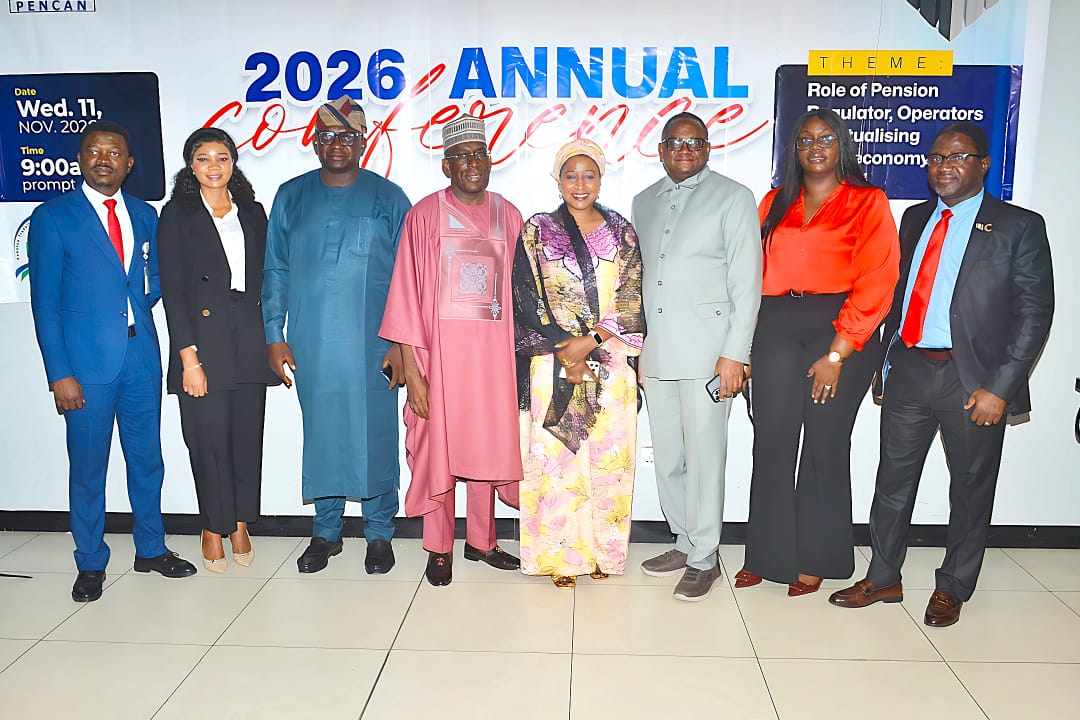
The conference was themed “The role of regulator operators in actualising Nigeria’s $1 trillion economy target.”
“A $1 trillion economy is not an abstract ambition. It is a goal that demands deliberate capital formation, long-term investment, and strong institutions working in step.
“Pension assets now run into trillions of naira, making them one of the largest pools of long-term domestic capital in the country. If properly channelled into infrastructure, housing, energy and productive sectors, the funds can help finance growth while still protecting contributors’ retirement benefits,” Mrs Ifeanyi-Okoro said.
Mrs Ifeanyi-Okoro, represented by PenOp, Head of Business Development, Media, Brands and Communications, Olajumoke Akinwa, said the $1 trillion target demanded serious effort.
Mrs Ifeanyi-Okoro said the regulator provides the framework, oversight and confidence that keep the system safe, while operators bring discipline and prudent investment decisions.
“Neither can succeed alone, and the strength of this partnership will shape how far we go.”
She stressed that the goal could not rest on the regulator and operators alone.
“The $1 trillion ambition belongs to all of us, and its actualisation must be a collective effort,” she said, calling on businesses, development partners and government agencies to take part.
Also speaking, the Director General of PenCom, Omolola Oloworaran, said the commission had a day earlier launched the Presidential Pension Security Initiatives, which cover pension care, recovery, health insurance and the minimum pension guarantee.
Ms Oloworaran, represented by the Head of Corporate Communications, Ibrahim Buwai, said the PenCare health insurance initiative was designed to outlive any change in leadership at the commission.
Mr Buwai said it is run by an independent board of trustees made up of representatives of stakeholders and experts in the health field.
On the minimum pension guarantee, he said the provision, introduced in the Pension Reform Act of 2004, had never been activated because of funding gaps.
“It was unveiled by the President that pensioners receiving less than the new minimum will have their pensions automatically raised to that level.”
He added that payments under the guarantee had already begun.
The Executive Secretary of the Pension Transitional Arrangement Directorate (PTAD), Tolulope Odunaiya, said the agency had introduced three new initiatives to improve the welfare of pensioners under the Defined Benefits Scheme (DBS).
ALSO READ: Guinea urges West Africa to choose electricity complementarity over isolation
Ms Odunaiya, represented by PTAD Head of Corporate Communications, Olugbenga Ajayi, said PTAD had also formally launched a retiree health insurance platform to give pensioners in the scheme free and accessible healthcare, and had put in place a way of confirming when a pensioner has died through periodic renewal of records, rather than relying on reports from unions or relatives.
He said payment of pensions to the personnel concerned was now up to date and that the agency would keep introducing measures to improve their welfare.
In her welcome address, the President of the Pension Correspondents Association of Nigeria (PenCAN), Nana Musa, thanked PenCom for creating a platform to strengthen ties between the industry and the media.
She said pension correspondents recognise their responsibility “to inform, educate and hold stakeholders accountable through accurate, balanced and responsible reporting.”
She urged her colleagues to keep bridging the information gap and help Nigerians understand the importance of pension savings and retirement security.