



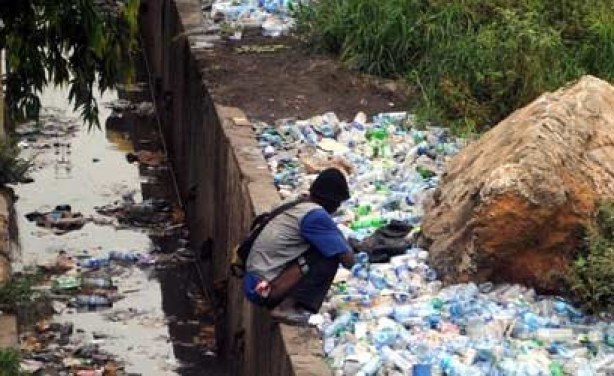
The United Nations Children’s Fund (UNICEF) on Tuesday said more than 40 million Nigerians still practise open defecation.
The Water, Sanitation and Hygiene (WASH) Manager at UNICEF Nigeria, Jolly Maulit, disclosed this while speaking at the 2026 National Retreat on the Clean Nigeria Campaign in Abuja on Tuesday.
“Over 40 million Nigerians, roughly 23 per cent of the population, still practise open defecation,” she said.
The World Health Organisation (WHO) put the funding required to end the practice at N4 trillion.
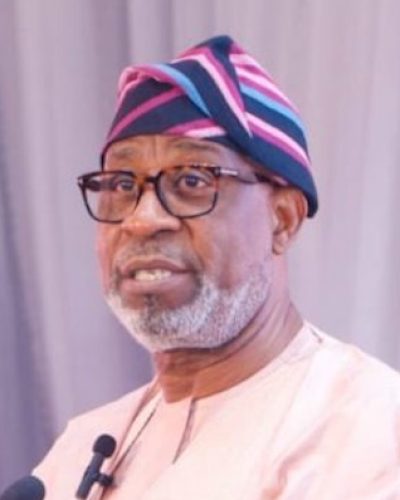
In his address, the Minister of Water Resources and Sanitation, Joseph Utsev, said sanitation remains fundamental to public health, human dignity, environmental protection and national development, and must remain a national priority.
“Our efforts align with the Renewed Hope Agenda of His Excellency, President Bola Ahmed Tinubu, which prioritises the well-being of Nigerians, strong public institutions and inclusive development. Access to safe and dignified sanitation is essential to a healthier population and cleaner communities,” Mr Utsev said.
The Clean Nigeria Campaign was launched in November 2019 to mobilise governments, development partners and communities against open defecation.
Since its launch, Mr Utsev said, 185 local government Areas have attained ODF status, while Jigawa and Katsina States have achieved state-wide Open Defecation Free (ODF) status.
Mr Utsev said these achievements demonstrate what political commitment, effective coordination, adequate support and community participation can deliver.
“However, much work remains. We must accelerate progress in the LGAs yet to attain ODF status and ensure that communities which have achieved it do not slide back,” he said.
He pointed to the recent signing by President Bola Tinubu of the Executive Order on Open Defecation Free Nigeria by 2030 and Other Related Matters, 2025.
The minister said the order strengthens the policy and institutional framework for achieving ODF Nigeria by 2030 and provides a basis for improved coordination, clear responsibilities and accountability at all levels of government.
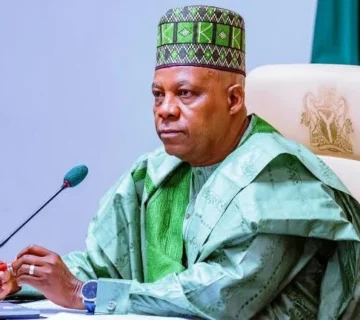
“His Excellency, the Vice President, Kashim Shettima, will formally unveil it at the World Toilet Day Celebration and 7th Anniversary of the Campaign on 19 November 2026. I urge States and relevant institutions to familiarise themselves with its provisions and translate them into practical action,” he said.
The minister said progress would depend on three priorities: financing, data and institutional strengthening.
On financing, he said federal, state and local governments must make deliberate budgetary provisions for sanitation, use resources effectively, explore innovative financing and encourage private sector participation.
“Sanitation must not depend solely on occasional interventions or development partner support,” he said.
On data, he stressed that reliable and timely information must guide planning, resource allocation and accountability, and asked states to ensure that information submitted through national monitoring platforms is accurate, complete and timely.
ALSO READ: Cross River assembly passes open defecation prohibition bill
On institutional strengthening, he said the campaign must be built into the regular structures and programmes of state governments and local government areas, with clear responsibilities, effective coordination and regular monitoring.
He added that continued toilet use, proper maintenance of facilities and sustained government support are needed to prevent a return to open defecation.
“The achievement of 185 ODF LGAs and two fully ODF States is significant, but our responsibility is to ensure that every community in Nigeria becomes and remains open defecation-free by 2030,” he said.