











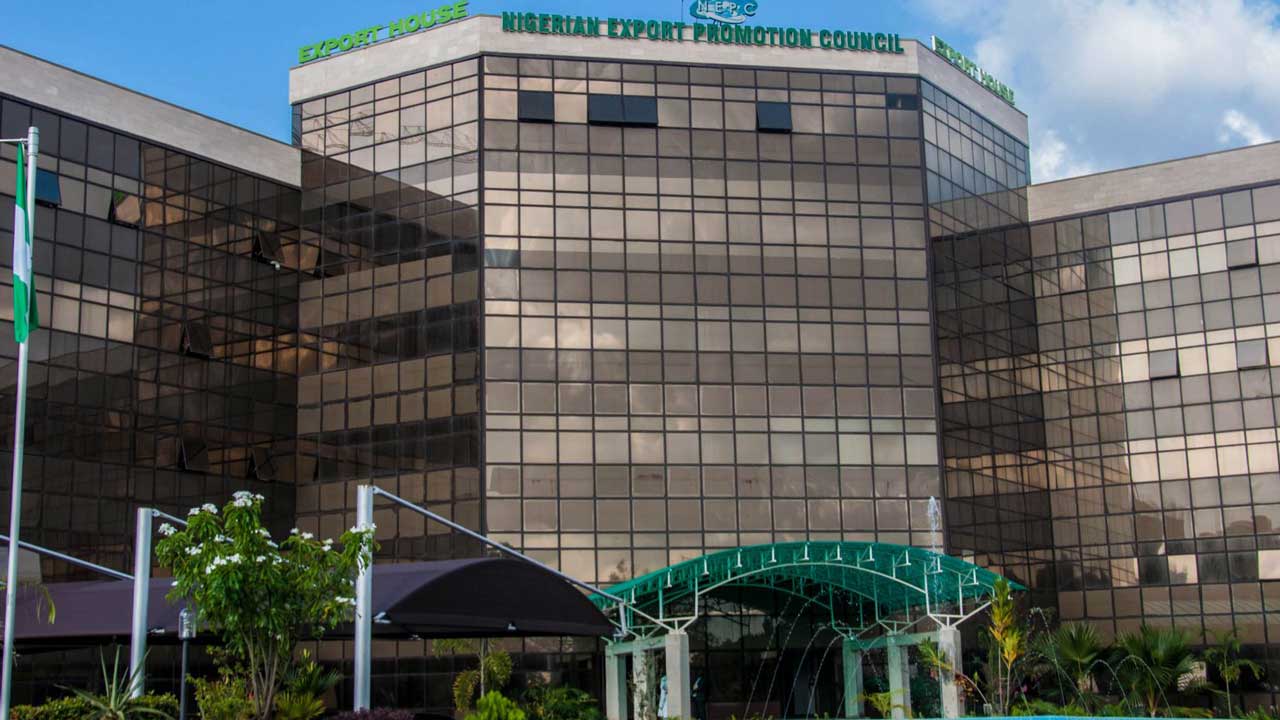
Nigeria exported 281 distinct products to 120 countries in 2025, as the country recorded its highest non-oil export earnings on record, the Nigerian Export Promotion Council (NEPC) has said.
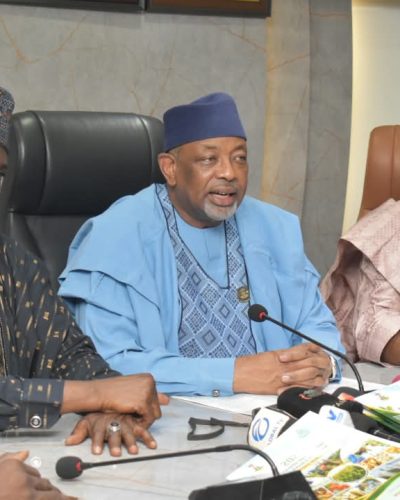
The Chief Executive Officer of the NEPC, Nonye Ayeni, disclosed this during the National Single Window (NSW) stakeholders’ engagement in Abuja on Tuesday.
She said the performance included exports to 36 African countries, a development she described as encouraging for Nigeria’s trade within the continent and its push for wider market access.
Ms Ayeni said the country achieved a record high of $6.1 billion in non-oil exports in 2025, with a total volume of 8.02 million metric tons.
“Beyond that, Nigeria exported 281 distinct products to 120 countries. And what we also find interesting, especially we are talking about Single Window and we’re also talking about Africa, Nigeria exported to 36 African countries.
“So, this performance reflects the growing capacity of Nigerian exporters, the increasing diversification of our export basket, increasing focus on value addition, and sustained effort of the federal government to expand the country’s non-oil export base,” she said.
The NSW is a centralised electronic trade platform designed to streamline trade processes for importers and exporters by integrating and harmonising trade documentation.
Speaking at the engagement, Ms Ayeni said Nigeria’s non-oil export sector holds the key to sustainable and inclusive economic growth and development.
She said harnessing the opportunities in the sector requires more than increased production and access to international markets. It also requires an efficient trade environment supported by streamlined procedures, effective institutional coordination and technology to reduce the cost and complexity of doing business, as well as seamless work across borders.
“Therefore, there is a need to transform this sector so that we can harness the numerous opportunities inherent in it. This is significant and this is actually the significance of the importance of the National Single Window.
“Nigeria cannot achieve its non-oil export ambition with fragmented processes, multiple agencies, excessive documentation, and avoidable delays. National Single Window is therefore a strategic platform for making Nigerian exports seamless, faster, more cost-effective, and globally competitive,” she added.
Ms Ayeni said apart from scaling up production, exporters must keep to quality and standards and add value to products to earn premium prices in the global market.
She explained that by improving coordination among relevant agencies, facilitating information exchange and reducing procedural duplication, the NSW is expected to create a more efficient, transparent and predictable trade environment.
“National Single Window is a centralised digital trade platform that allows exporters as well as importers and other stakeholders in various value chains to submit their regulatory trade documents, data and information through a unified entry point, thereby reducing unnecessary bottlenecks and bureaucracies that are prevalent in our trade process.
“For us at the Nigerian Export Promotion Council, this initiative is particularly important because trade facilitation is integral to our mandate of promoting and developing non-oil export and helping to diversify the economy from oil to non-oil,” she said.
“So, our responsibility does not end with encouraging businesses to produce for export by identifying markets for their products. We must also support the development of an enabling environment that allows exporters to access this market efficiently and competitively,” she said.
In his remarks, the Director of the National Single Window Project Secretariat, Tola Fakolade, said the first batch of the second phase of the initiative would commence on December 14, 2026, covering export permits and regulatory processes handled by relevant government agencies.
He explained that the second batch, which would incorporate Central Bank of Nigeria-related processes, including the Nigerian Export Proceeds documentation, was scheduled for the first quarter of 2027.
Providing an update on the first phase, which commenced on March 27, 2026, Mr Fakolade disclosed that the platform had processed 169,211 import licences and permits, registered more than 12,000 importers and agents, and facilitated over N17 billion in payments to government agencies.
He said the achievements provided a strong foundation for extending the platform to export operations.
“Phase 2 will provide exporters with a more integrated digital experience by bringing key export registration, licensing, certification and compliance activities onto the NSW platform.
ALSO READ: Despite 24% GDP contribution, Nigeria’s global agric export below 2% – FG
“Exporters will apply for and process applicable export licences, permits and certificates from participating regulatory agencies through the NSW platform, rather than navigating separate agency channels,” he added.
“New exporters will initiate their registration on the NSW platform and obtain their Registered Exporter Number through the NSW application process.
“Exporters and warehouse operators will apply for warehouse registration, inspection and related processing on the NSW platform, with the application managed by the Federal Produce Inspection Service,” he said.