










The federal government has unveiled fresh intervention measures aimed at lowering food prices, stabilising the market and boosting domestic production.
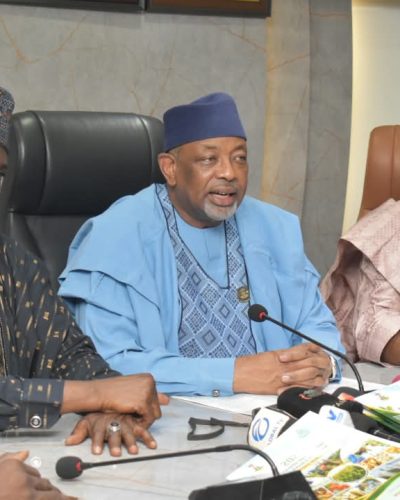
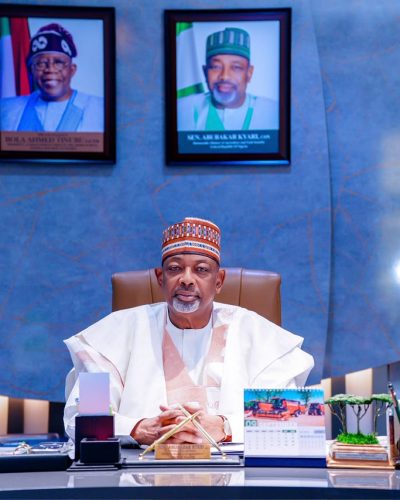
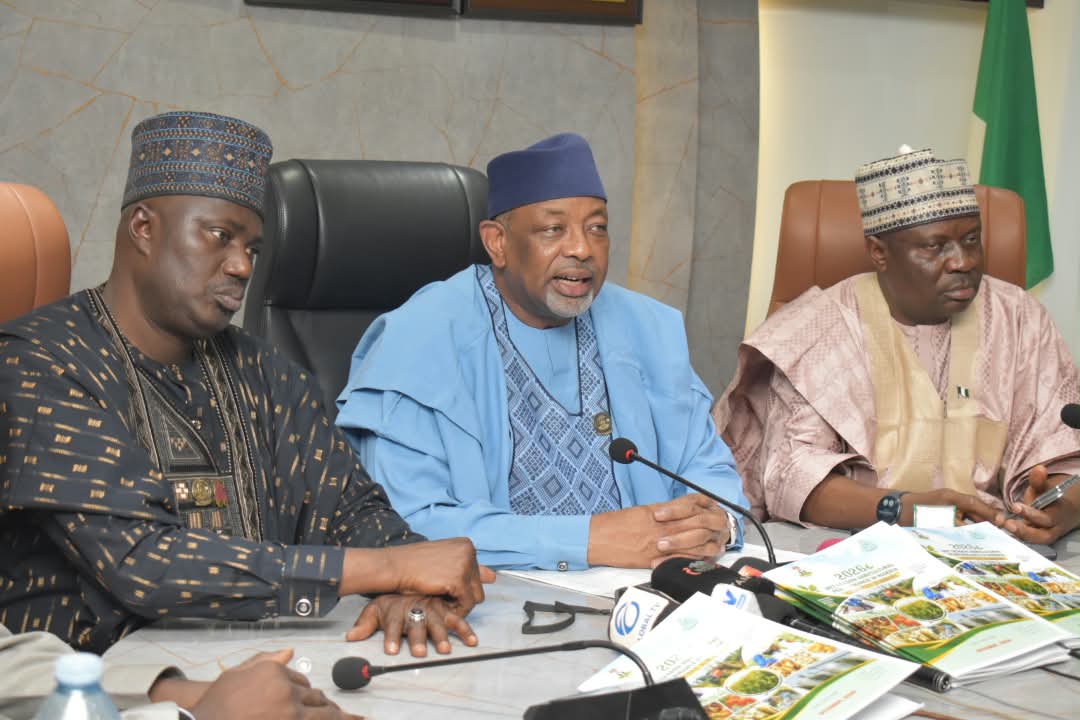
The Minister of Agriculture and Food Security, Abubakar Kyari, announced the measures during the presentation of the 2026 Wet Season Agricultural Performance Survey (APS) Report in Abuja on Wednesday.
Mr Kyari said the interventions include the planned release of three million bags of fertiliser, the distribution of stored grains and increased investment in agricultural production, Ezeaja Ikemefuna, head, information department, of the ministry, said in a statement.
The minister said that higher productivity and expanded farmland would improve the food supply and lower some commodity prices.
“The same crops that we have that were stored under the guaranteed minimum price programme under the Bank of Agriculture will be released very soon to stabilise the market prices,” Mr Kyari said.
He said the government would soon announce the modalities for distributing the stored commodities.
According to the minister, grains purchased and stored under the Bank of Agriculture’s Guaranteed Minimum Price programme would soon be released into the market as part of efforts to prevent excessive price increases.
Mr Kyari said the administration of President Bola Tinubu had recorded significant progress in the agricultural sector through its policies and interventions.
He noted that the latest survey covered only the 2026 wet-season farming activities, adding that the ministry had directed the National Agricultural Extension and Research Liaison Services (NAERLS) to conduct a separate assessment of dry-season production to establish the country’s overall agricultural output for the year.
The minister pointed to the increase in production recorded in 2025 and the marginal improvement in 2026, saying the government was encouraged by the progress made so far.
He added that a comparison of food prices between 2025 and 2026 had shown reductions in the cost of some commodities, particularly dairy products and maize.
“I would also see the prices when you do a comparison between 2025 and 2026. I’m not even comparing 2023 and 2026. Just within the one year, we have seen a drop in dairy, maize and so forth that has come down,” the minister stated.
On the cost of agricultural inputs, Mr Kyari disclosed that the Presidential Fertiliser Initiative was preparing to release three million bags of fertiliser within the next month to reduce production costs for farmers.
He said the intervention announced by Vice President Kashim Shettima was part of the administration’s broader strategy to make farming more affordable and improve food availability.
Mr Kyari stressed that government policies would be implemented in a way that balances the interests of consumers, farmers and food processors.
The minister also highlighted the impact of agricultural financing and support programmes, including the National Agricultural Development Fund and the recapitalisation of the Bank of Agriculture, which he said had strengthened access to funding for farmers.
According to him, the government’s guaranteed minimum price initiative encouraged farmers to return to their farms by providing a market for their produce at affordable and competitive prices.
He attributed the expansion of cultivated farmland to improved security, noting that the efforts of the Nigerian Armed Forces had helped farmers regain access to previously inaccessible agricultural areas.
On mechanisation, Mr Kyari said the government had deployed 2,000 tractors and expected deliveries under the second phase of the programme to commence within the next two to three months.
He expressed optimism that the combination of increased food production, cheaper fertiliser, improved mechanisation and the planned release of stored grains would further ease food prices and strengthen food security across the country.
ALSO READ: Food security: FG urges states to align agricultural production with consumption
The minister also stated that the government was attracting fresh investments into agricultural processing, including projects involving cocoa, sesame, cassava, cashew nuts and other economic crops.
He mentioned a $33 million investment agreement signed with a Turkish company for greenhouse projects within the country’s Special Agro-Industrial Processing Zones, describing it as evidence of growing investor confidence in Nigeria’s agricultural sector.
Mr Kyari reiterated that the government would sustain its interventions to increase agricultural output, lower production costs and ensure that the benefits of improved food production translate into more affordable prices for Nigerians.