






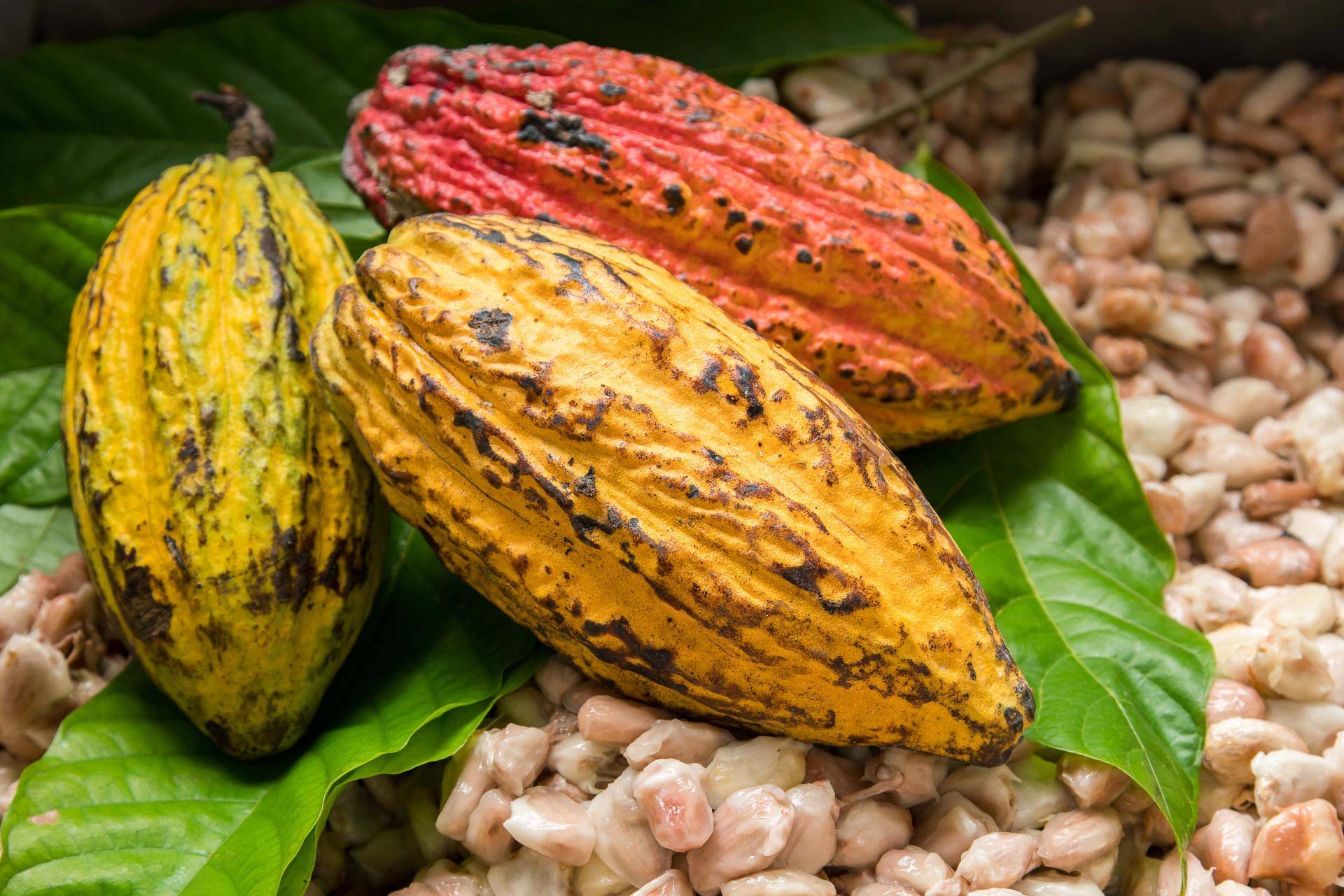
The Nigerian government has announced plans to reclaim the country’s position in the global cocoa-producing countries.
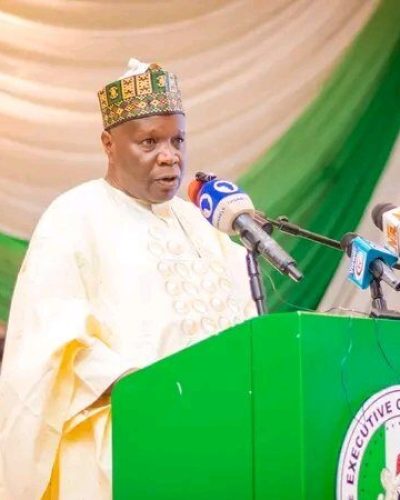
Ezeaja Ikemefuna, head, department of information of the Ministry of Agriculture and Food Security, disclosed this in a statement on Wednesday.
According to the statement, Minister of Agriculture and Food Security, Abubakar Kyari, disclosed this at the International Cocoa and Chocolate Forum (ICCF 2026) in London, United Kingdom.
He said the country has natural advantages in cocoa production, including fertile soils, suitable agro-ecological zones, and a deeply rooted farming tradition.
Mr Kyari, according to the statement, added that Nigeria is strengthening economic ties through the African Continental Free Trade Area (AfCFTA) to enhance intra-African trade and global competitiveness.
“The current administration is committed to supporting sustainable development initiatives, promoting responsible foreign investment, and advancing efforts to increase productivity, expand trade, and deepen economic activity across the agricultural sector,” he said.
He added that Nigeria has gazetted its provisional schedule of tariff concessions and is advancing AfCFTA implementation, projected to boost intra-African trade by 53.3 per cent by 2026.
To support sustainable cocoa production, he said Nigeria has among others, enacted the Climate Change Act, Committed to the European Union Deforestation Regulation (EUDR) and established the National Task Force on its compliance as well as developed a National Cocoa Development Plan (NCDP).
READ ALSO: New oil well discovered in Niger Delta
“Nigeria is among others, focusing on climate-smart agriculture, green compliance, adoption of sustainable practices that enhance crop resilience and mitigate the impacts of climate change as well as improving farmers livelihoods through targeted training, access to finance, and stronger market linkages,” he said.
In the 1950s and 60s, cocoa was a major agricultural export commodity in Nigeria, and a top foreign exchange earner for the country.
The trend continued before it was displaced by crude oil (discovered in commercial quantities in the 1970s), agriculture was the mainstay of Nigeria’s economy.
At the time, the country was the second-largest producer of cocoa globally. Average cocoa production in the country declined from 420,000 tonnes in the 60s to 170,000 tonnes in 1999, the Food and Agriculture Organisation (FAO) of the United Nations revealed.
Currently, the country ranks sixth in global cocoa production, far behind West African neighbours – Cote D’Ivoire and Ghana – Indonesia, Ecuador and Brazil, accounting for only 6 per cent of the global production.