



![Nigerian food market. [Photo credit: The Guardian NG]](https://thepreviewmedia.com/wp-content/uploads/elementor/thumbs/Nigeria-Food-market0-rnhwouhomgb6qrfulkpmvgq8nzn41y6tcgi4mirafc.jpg "Nigerian food market. [Photo credit: The Guardian NG]")

The Nigerian Independent System Operator (NISO) has said Nigeria’s electricity generation has dropped to an average of 3,940.53 megawatts (MW) due to the persistent gas supply constraints to thermal power plants.
NISO disclosed this in a statement signed by its management on Thursday.
“The Nigerian Independent System Operator (NISO) wishes to inform stakeholders and the public of the continued decline in electricity generation on the national grid arising from persistent gas supply constraints affecting several thermal power plants,” the statement said
“As at 5 a.m. of today Thursday, 5th March 2026, total generation on the national grid stood at 3,940.53 MW, which was already below the expected capacity due to existing gas supply limitations impacting a number of generating stations.”
It explained that between 6 a.m. and 8 a.m., several generating units were forced to shut down as a result of inadequate gas supply to the plants.
This, it said, resulted in a cumulative reduction of approximately 292 MW in available generation on the grid during the period.
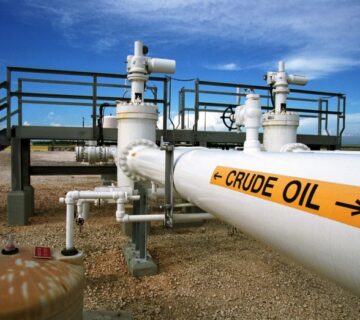
“Operational data as of 04 March 2026 indicate that thermal power plants require approximately 1,588.61 million standard cubic feet (MMSCF) of gas per day to operate at optimal capacity,” it added.
However, it said the actual gas supply to these stations was approximately 652.92MMSCF, representing about 40 per cent of the gas required for optimal generation.
READ ALSO: Why electricity supply dropped in Nigeria – NISO
“These developments further reduced the total generation available for dispatch to the national grid and have contributed to the current generation inadequacy being experienced across the system,” it added.
NISO said it is actively working with the affected Generation Companies (GenCos) and relevant gas suppliers to closely monitor the situation and facilitate the restoration of generation as soon as gas supply to the affected plants stabilises.
“The system operator continues to take necessary operational measures to maintain grid stability while managing the impact of the reduced generation on the network.
“NISO remains committed to keeping stakeholders and the public informed on developments affecting the national grid,” it said.
In recent years, Nigeria’s power sector has been facing some serious challenges in areas of gas supply constraints, electricity policy enforcement, regulatory uncertainty, transmission system constraints, and planning shortfalls.