











The Nigerian Independent System Operator (NISO) has attributed the country’s dwindling electricity generation to inadequate gas supply to thermal generating stations.
NISO in a statement signed by its management on Thursday, said the current average available generation stands at approximately 4,300 megawatts (MW).
“We hereby notify the general public and all market participants that the current average available generation of approximately 4,300MW is primarily due to inadequate gas supply to thermal generating stations,” the statement said.
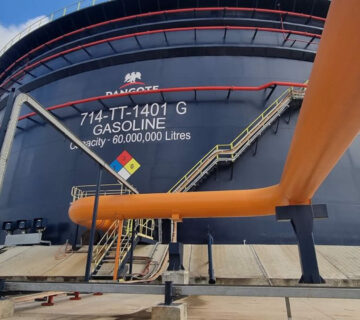
It said given that thermal plants account for the dominant share of Nigeria’s generation mix, any disruption or limitation in gas supply directly affects available generation capacity and overall grid output.
Consequently, it explained that the current energy allocated to Distribution Companies (DisCos) reflects the reduced supply available on the grid.
“Available operational data indicates that thermal power plants collectively require an estimated 1,629.75 million standard cubic feet (MMSCF) of gas per day to operate at optimal capacity,” it said.
However, it said as of February 23, 2026, actual gas supply to the stations stood at approximately 692.00 MMSCF, representing a significant shortfall in daily gas supply requirements.
READ ALSO: Why national grid collapsed – NISO
“The available gas supply represents less than 43 per cent of the required volume, resulting in constrained generation output.
“The current low generation level is fundamentally driven by inadequate gas supply to thermal generating units, leading to reduced energy allocation to the DisCos,” it added.
NISO explained that when total system generation drops significantly, it must implement load shedding across the system, while dispatching available energy in line with the Nigerian Electricity Regulatory Commission (NERC) Multi-Year Tariff Order (MYTO) allocation percentages across all distribution networks to maintain grid stability and prevent system disturbances.
“While we regret the inconvenience this situation may cause electricity consumers and affected market participants, we will continue to work closely with relevant stakeholders to ensure full energy allocation as soon as gas supply improves and generation capacity is restored,” it said.
NISO is in charge of electricity system operations, managing load allocation from generation companies to distribution companies and eligible customers.