











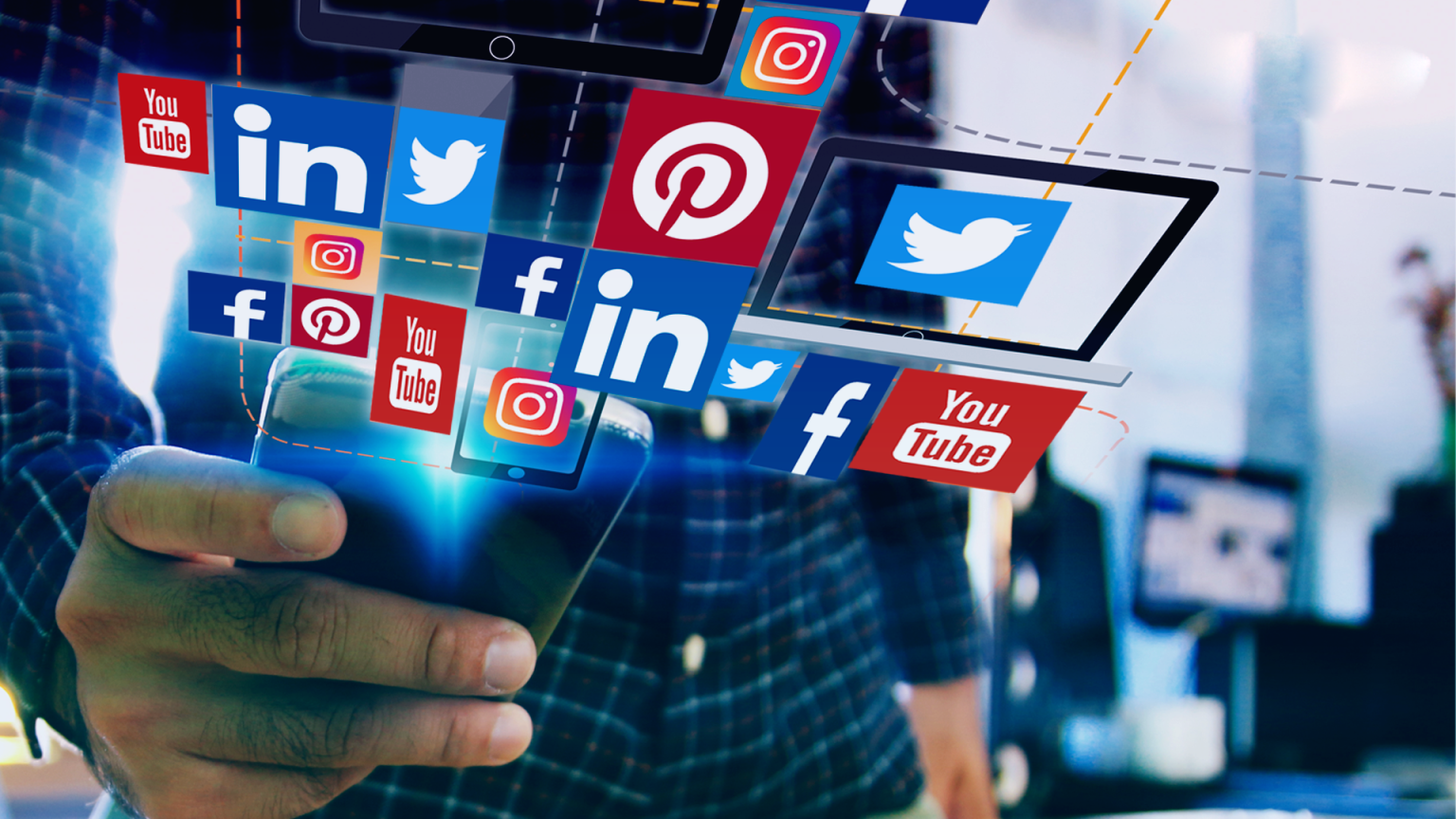
Social media was originally designed to bring us closer together, but it has instead devolved into an overwhelmingly noisy landscape.
This noise, however, isn’t just the result of a relentless deluge of posts, advertisements, and notifications. It is also driven by a deeper, more insidious psychological force: the intense social pressure that quietly dictates how we behave online.
Academic literature often calls this phenomenon “social noise,” a concept highlighted by researcher Zimmerman (2022).
It is the idea that we constantly modify what we post, like, share, or ignore simply because we are acutely aware that an audience is watching. Examining Facebook users, Zimmerman identified four core motivations driving this behavioural shift.
First is identity curation, where we carefully shape our digital image. Second is relationship management, meaning we engage with content just to keep friends and networks happy.
Third is conflict management, where we deliberately withhold opinions to avoid arguments. Finally, there are cultural commitments, or the urge to champion causes that align with our social circles.
This academic framework perfectly mirrors our daily digital interactions. We routinely “like” a friend’s photo out of sheer politeness, with no genuine interest. Conversely, we might scroll past a compelling political essay, paralysed by the fear of judgment or confrontation.
Zimmerman’s study even noted that users intentionally avoid clicking certain links just to prevent algorithms from warping their future feeds.
ALSO READ: Tinubu directs FCCPC to investigate Meta, Google, others over alleged media infringement
The critical consequence of social noise is that our feeds have become an illusion; what we see online rarely reflects what people truly think. When likes, shares, and calculated silences are filtered through the lens of reputation management, the resulting digital reality is inherently misleading.
Worse still, this distortion fuels the wildfire of fake news. Misinformation often goes viral not because it is factual, but because users share it as an act of solidarity with the person who posted it, rather than the content itself.
Combating this digital distortion requires a collective awakening. By recognising that our online actions and those of everyone in our network are being manipulated by unseen social pressures, we can learn to pause.
Only by understanding that social media noise is less about information overload and more about the psychological tax of being constantly watched can we begin to interact with the digital world more mindfully.