








President Bola Tinubu has approved the extension of the ban on the export of raw shea nuts for a further one year.
The Special Adviser to Mr Tinubu on Information and Strategy, Bayo Onanuga, in a statement posted on his X handle on Wednesday said the extension takes effect from 26 February 2026, to 25 February 2027.
Mr Onanuga said the decision underscores the administration’s commitment to advancing industrial development, strengthening domestic value addition, and supporting the objectives of the Renewed Hope Agenda.
In August last year, Mr Tinubu approved a 6-month temporary ban on the export of raw shea nut to curb informal trade, boost local processing, protect and grow Nigeria’s shea industry.
The ban, which is with immediate effect at the time, was subject to review on expiration and specifically aimed at boosting Nigeria’s shea value chain to generate around $300 million annually in the short term.
To further these objectives, Mr Onanuga said the president has directed the two ministers of the Federal Ministry of Industry, Trade and Investment, and the Presidential Food Security Coordination Unit (PFSCU), to coordinate the implementation of a unified, evidence-based national framework that aligns industrialisation, trade, and investment priorities across the shea nut value chain.
He also approved the adoption of an export framework established by the Nigerian Commodity Exchange (NCX) and the withdrawal of all waivers allowing the direct export of raw shea nuts.
Mr Tinubu, according to the statement, directed that any excess supply of raw shea nuts should be exported exclusively through the NCX framework, in accordance with the approved guidelines.
Additionally, he directed the Federal Ministry of Finance to provide access to a dedicated NESS Support Window to enable the Federal Ministry of Industry, Trade and Investment to pilot a Livelihood Finance Mechanism to strengthen production and processing capacity.
The federal government said it remains committed to policies that promote inclusive growth, local manufacturing and position Nigeria as a competitive participant in global agricultural value chains.
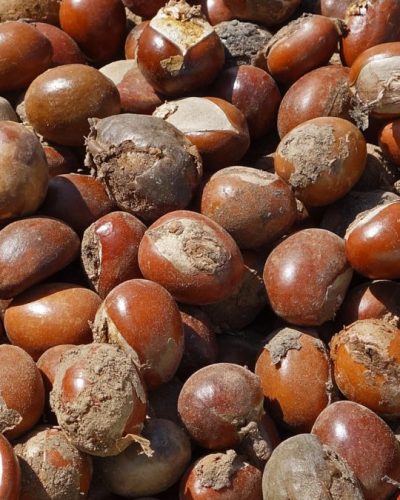
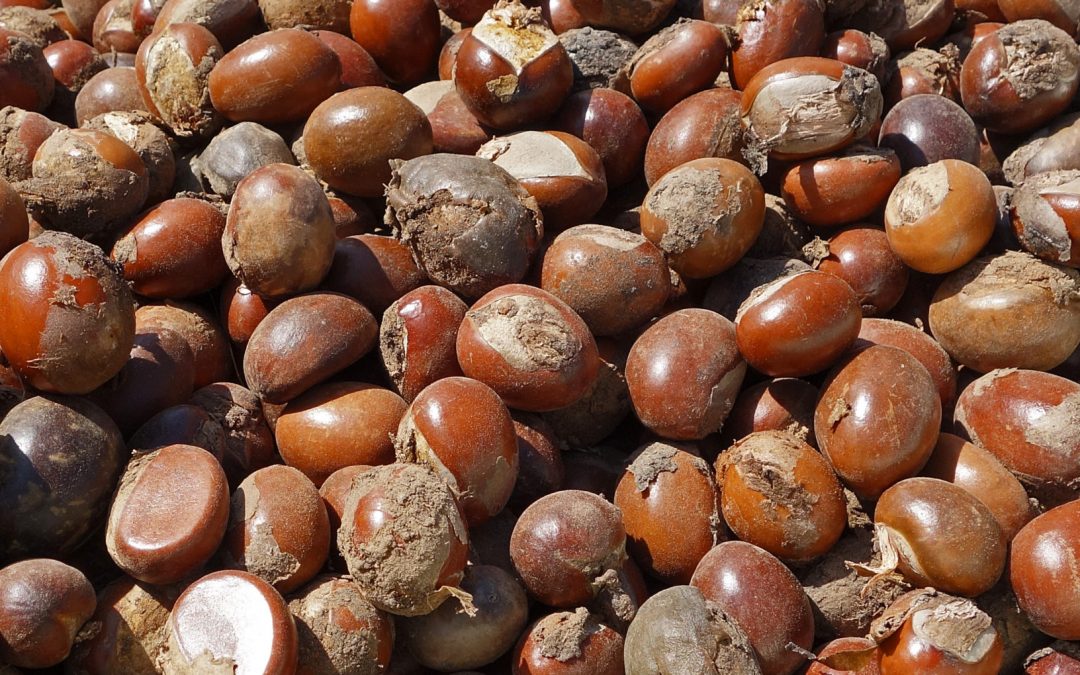
Shea nut is grown on a tree of the family Sapotaceae. The shea fruit consists of a thin, tart, nutritious pulp that surrounds a relatively large, oil-rich seed.
READ ALSO: Nigerian govt launches national economy strategy to tap $7.7 trillion global market
Shea nuts are processed into various products, including shea butter and shea oil, through several techniques.
Shea nut farming is predominantly carried out in many parts of Nigeria, with Niger State being the largest producer. Other notable producing states include Kwara, Kogi, Kebbi, Oyo and Kaduna.
Africa produces about 1,760,600 tonnes of raw shea nuts annually, according to the Nigerian Export Promotion Council (NEPC).
The NEPC said in 2019, Nigeria accounted for more than 39 per cent and Mali accounted for almost 31 per cent of global shea nut production.
It explained that the majority of shea butter produced in Nigeria is for domestic consumption, stating that there is also an undocumented trade of shea nuts across the country’s borders with Benin, Togo and Ghana.