













The Transmission Company of Nigeria (TCN) said Nigeria will only close its electricity gap when the sector stops celebrating installed capacity and starts counting the megawatts that actually reach consumers.
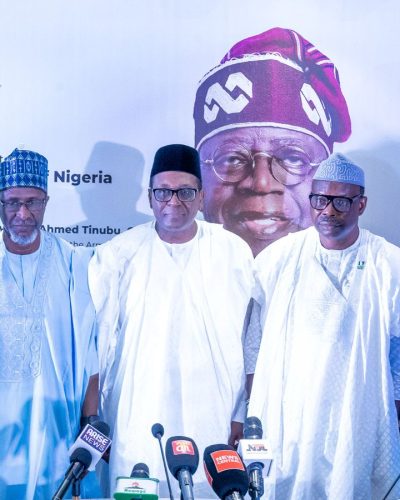
TCN Managing Director/Chief Executive Officer, Sule Abdulaziz, disclosed this while speaking at the 2026 Energy Conference and Exhibition at the Landmark Centre, Lagos, on Wednesday.
Mr Abdulaziz noted that although Nigeria’s installed capacity exceeds 13,000MW, the power available to consumers remains far lower.
He said the real question is whether that capacity can be dispatched, carried reliably through the network and supported by a functioning commercial market.
To narrow the gap, he proposed three interventions, ranked by impact, speed and their ability to unlock more power for consumers.
Unlock generation
The first intervention, Mr Abdulaziz said, is to unlock generation that is already installed but unavailable.
He described this as the biggest near-term gain. He called for dependable gas supply, predictable payment and commercial arrangements along the gas-to-power chain, and coordinated maintenance to cut avoidable plant downtime.
He said existing frameworks, including the Nigeria Integrated Resource Plan and the National Integrated Electricity Policy, must produce measurable improvements in generation availability, with clear accountability for additional megawatts delivered.
Success, he said, should be judged by how much more electricity reaches the grid and consumers, not by the number of plans produced.
Remove network constraints
The second intervention is to remove network constraints that prevent available power from reaching consumers.
The TCN boss said the company has a simulated wheeling capacity of about 8,700MW, but actual evacuation depends on the availability of lines and transformers, voltage and stability limits, and the ability of distribution companies (DisCos) to take power.
He disclosed that between January 2024 and November 2025, TCN installed 82 power transformers, adding roughly 8,500MVA of transformation capacity.
He said the company is focusing on critical reinforcement and rehabilitation, better availability of lines and transformers, stronger protection systems and improved real-time visibility through SCADA/EMS tools.
Disciplined maintenance, faster fault response and closer coordination with generation and distribution companies are also priorities, he added.
Strengthen the commercial chain
The third intervention, according to Mr Abdulaziz, is to strengthen the commercial chain, warning that technical gains will not last unless payment shortfalls are addressed.
ALSO READ: Electricity: DisCos generated N220.93 billion in August – NERC
He listed credible metering and energy accounting, transparent settlement, improved collection, enforcement of market obligations and targeted regulatory decisions that make contracts and payments predictable.
As a next step, he proposed a focused 100-day implementation scorecard built on existing plans.
It would track three outcomes: additional generation made available, megawatts constrained by verified network bottlenecks, and commercial actions needed to sustain supply.
Each action, he said, must have a named lead institution, a deadline and a measurable result.
He explained that the ranking is deliberate: unlock unavailable generation first, then remove network constraints that stop available power from reaching consumers, and finally repair the commercial arrangements that sustain both.
Mr Abdulaziz reaffirmed TCN’s commitment to running a resilient transmission network, expanding transfer capability and deepening collaboration across the value chain.