


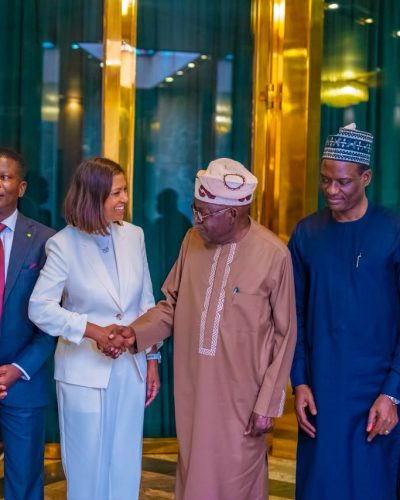


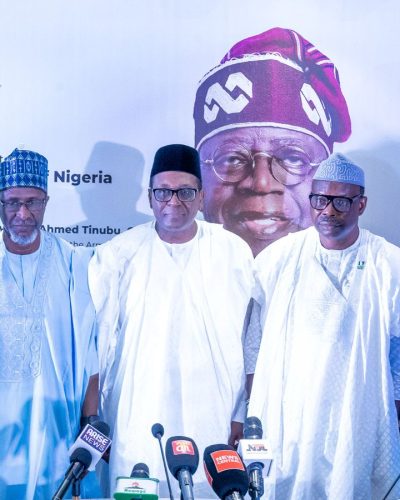
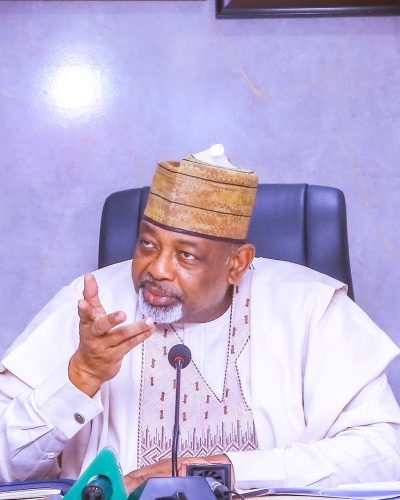

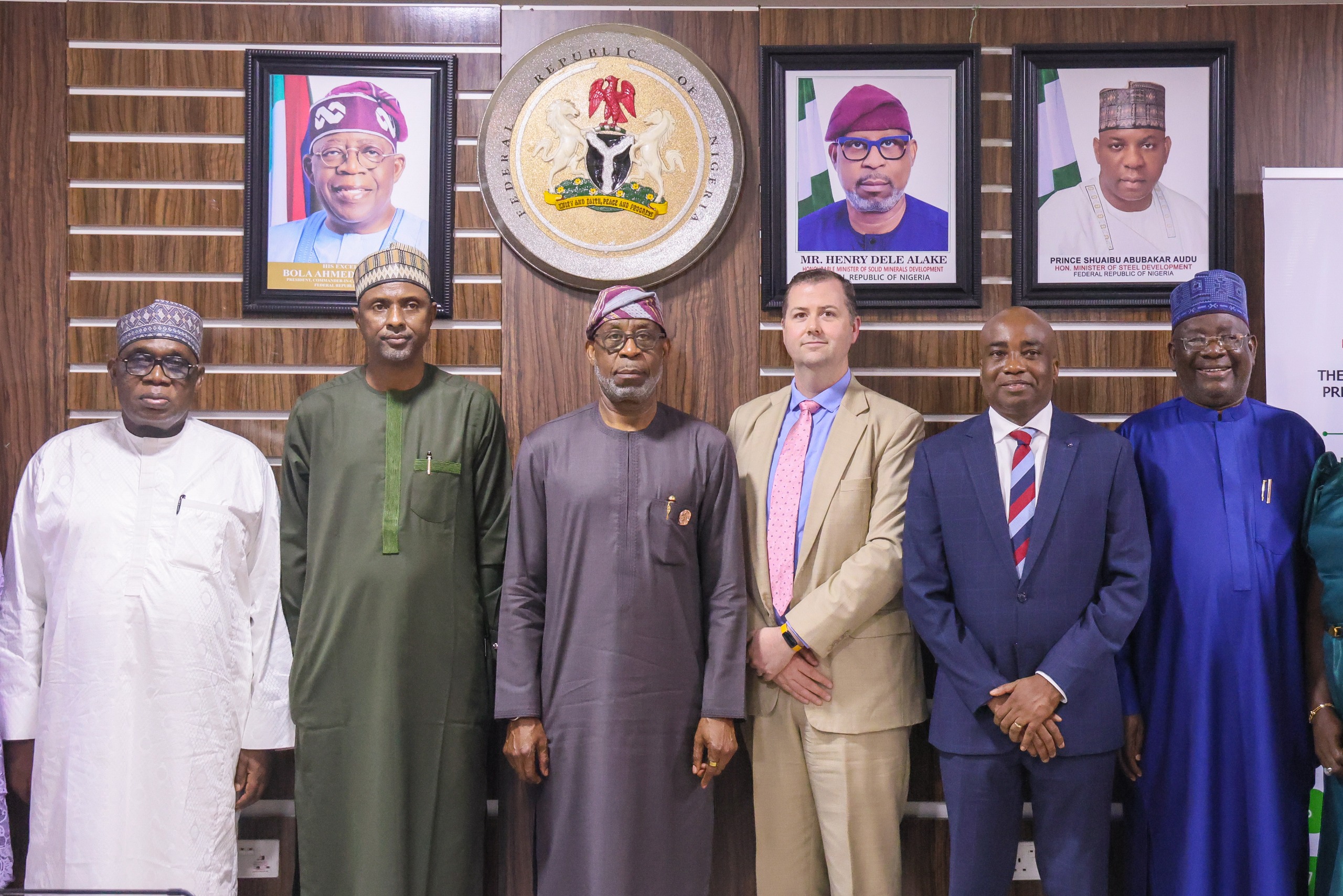
The Minister of Solid Minerals Development, Dele Alake, on Tuesday inaugurated the Nigeria-United States Committee on Strategic Cooperation in the Solid Minerals Sector in Abuja.
Mr Alake also dismissed reports that Nigeria sold $700 billion worth of solid minerals to the US.
Head of the Press and Public Relations Department in the ministry, Kania Andeyaba, disclosed this in a statement on Wednesday.
The inauguration, according to the statement, followed the strategic cooperation framework established between Nigeria and the United States during the 81st United Nations General Assembly in New York.
Mr Alake said the Memorandum of Understanding (MoU), signed with the US, is a government-to-government platform to facilitate business-to-business engagements between American investors and Nigerian local operators, not a sale of assets.
On 23 September, Nigeria and the United States (US) signed a landmark framework agreement to pave the way for American investment in Nigeria’s solid minerals sector, estimated to be worth about $700 billion.
The agreement was signed at the Nigeria Mission House in New York by Mr Alake and the US Deputy Secretary of State, Christopher Landau.
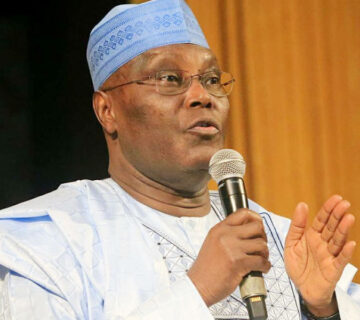
Following the announcement, the media adviser to former Vice President Atiku Abubakar, Paul Ibe, asked the federal government to publish the full details of its recently signed framework for American investment in Nigeria’s mineral sector.
Mr Ibe said the $700 billion figure being reported does not represent an investment by the United States, but the estimated value of Nigeria’s mineral resources.
“Let us first clear up one misleading impression: this is not a $700 billion investment by the United States. The $700 billion figure is the estimated value of Nigeria’s mineral resources. And that makes the real question even more important: Where is the agreement?” Mr Ibe said.
According to him, for resources of such enormous value, the government must disclose what exactly Nigeria has committed to.
No sale of any asset
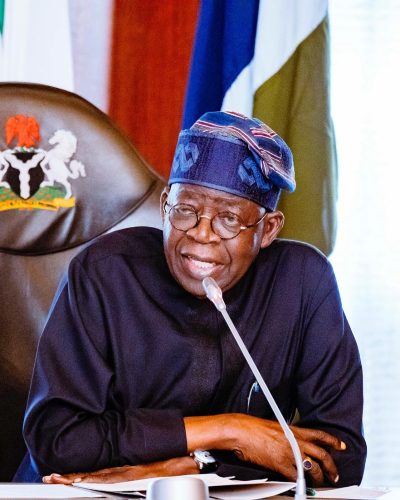
Mr Alake noted that Tinubu’s administration was committed to reducing dependence on a mono-product economy through the sustainable development of Nigeria’s vast mineral resources.
He said the Nigeria-US partnership is a strategic initiative to attract investment, promote technology transfer, strengthen local mineral processing and create employment opportunities.
ALSO READ: NCOS condemns attack on vehicle conveying inmates in Rivers
“There is no sale of any Nigerian asset. There’s nothing exchanging hands. We created a platform to facilitate mingling of US investment ventures with Nigeria’s local operators. It is in the public domain. We signed it in public and published it in four or five national newspapers,” Mr Alake said.
The minister said reports claiming the US was coming to take over Nigeria’s minerals and security architecture were untrue at best and products of riotous imagination at worst.
Explaining the policy thrust, Mr Alake said Africa has historically held the short end of the stick in global economic transactions, and Nigeria is determined to change that model.
“We have the resources, the critical elements the world needs to transit to clean energy. So we are creating a new paradigm: you bring your capital, expertise and technology to match with our natural resources and create a win-win situation. The investor gains, Nigeria gains,” he said.
He stressed that Nigeria had operated a monocultural economy dependent on oil, while solid minerals were exploited informally, with ores taken “from pit to port” without value addition.