




The recent Federal Project Management Unit (FPMU) staff shake-up at the Nigeria Climate Adaptation Erosion and Watershed Project (NEWMAP-EIB) under the Federal Ministry of Environment has continued to generate concern among stakeholders, following the disengagement of several key project officers and the selective retention of others without any official explanation.
NEWMAP-EIB, a flagship climate adaptation, erosion control, and watershed management initiative, plays a critical role in Nigeria’s environmental resilience efforts.
However, developments surrounding its internal restructuring have raised serious questions about transparency, fairness, and adherence to due process.
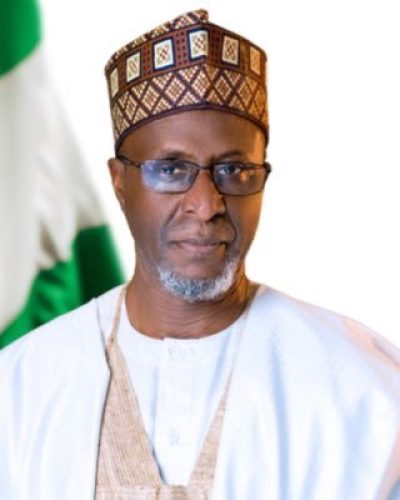
At the centre of the controversy is the decision by the Permanent Secretary of the Federal Ministry of Environment, Mahmud Adams Kambari, to retain certain officers while many others were relieved of their duties.
Among those retained are Abatcha Gaji (Head of Administration) and Usman Kumo (Procurement Specialist) both reportedly related to the Permanent Secretary as well as the Environmental Safeguard Specialist, Zenum Kifasi ( from the Ministry).
Further concerns have emerged following reports that a nephew of the Honourable Minister of Environment, Balarabe Abbas Lawal, was also retained within the project structure.
In addition, Benedicta Jeje, reportedly brought into the project by the Senior Adviser to the Minister, Olaitan Faj, is said to have remained in position despite the sweeping disengagement of other officers.
Conversely, professionals occupying strategic roles—including Monitoring and Evaluation, Project Engineering, Financial Management, Project Auditing, Communications, Natural Resources, and Livelihood specialists staff were disengaged en masse.
These positions are widely regarded as essential to project oversight, accountability, and sustainability.
What has further heightened concern is the absence of any formal communication outlining the basis for the restructuring. No performance assessments, disciplinary findings, or written justifications have been issued to the affected officers, leaving room for speculation and uncertainty.
Several of the disengaged staff reportedly resumed duty only in 2024, following official requests by their parent Ministries, Departments, and Agencies (MDAs) to second qualified personnel to the project.
Their sudden removal barely months after deployment has raised questions about planning, inter-agency coordination, and respect for established civil service procedures.
READ ALSO:Nigeria’s €175 million erosion project rocked by nepotism allegations
Unverified internal accounts suggest that some of the disengaged officers were perceived as forming a bloc around the national project coordinator, while other reports point to alleged dissatisfaction by the minister over perceived disorganisation during the project’s launch.
Stakeholders, however, are questioning whether such issues if substantiated should warrant the wholesale dismantling of a multidisciplinary project team addressing Nigeria’s escalating erosion and climate-related challenges.
Of particular concern is the criteria used to retain certain officers, especially given that many both retained and disengaged are pool officers under the Office of the Head of Service. Without clearly stated benchmarks, the selective nature of the exercise risks being perceived as arbitrary and unfair.
As calls for clarification grow louder, observers insist that transparency and due process are essential especially for a publicly funded project of national and international importance.
Until clear and credible explanations are provided, the questions surrounding the NEWMAP-EIB Federal Project Management Unit (FPMU) shake-up are likely to persist, underscoring the need for accountability, equity, and trust in public sector project management.