





![Nigerian food market. [Photo credit: The Guardian NG]](https://thepreviewmedia.com/wp-content/uploads/elementor/thumbs/Nigeria-Food-market0-rnhwouhomgb6qrfulkpmvgq8nzn41y6tcgi4mirafc.jpg "Nigerian food market. [Photo credit: The Guardian NG]")


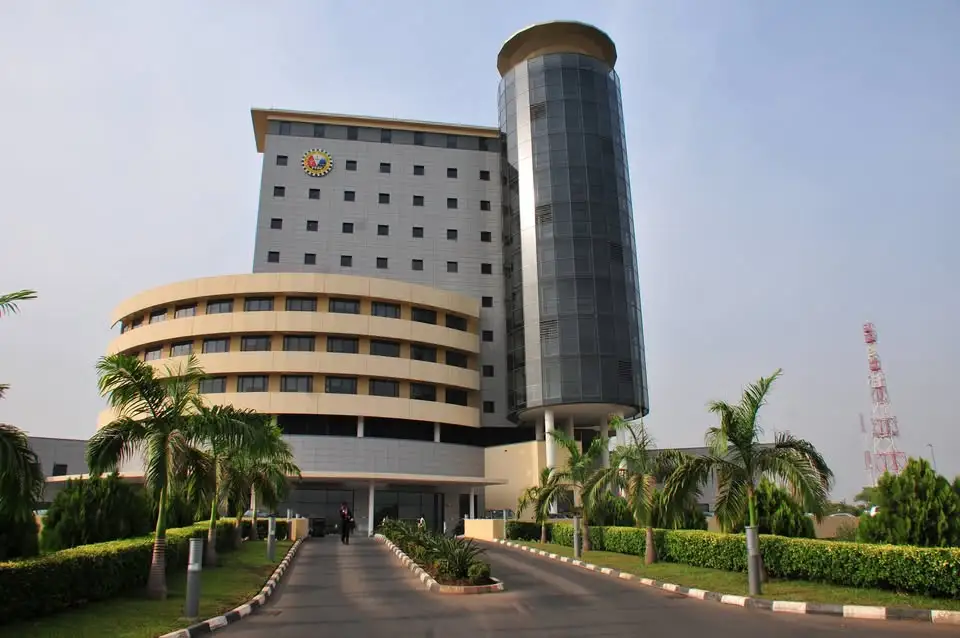
The Petroleum Technology Development Fund (PTDF) has inaugurated a committee to drive the operationalisation and industry integration of its Centre for Skills Development and Training (CSDT) in Port Harcourt.
The Executive Secretary of the PTDF, Shuaibu Aliyu, inaugurated the high-level committee on operational policy review, curriculum development and industry integration, PTDF said in a statement on Thursday.
Mr Aliyu said the committee is tasked with accelerating the full operationalisation of the centre and strengthening Nigeria’s technical workforce for the oil and gas and wider energy sectors.
He said the committee will review the centre’s systems and operations, identify existing gaps and develop practical recommendations for optimal utilisation of the facility.
He explained that the CSDT was established following findings from a PTDF skills audit, which identified significant shortages of qualified Nigerian technical manpower, particularly in technical and middle-level occupations in the oil and gas industry.
According to the statement, the centre is designed to provide competency-based vocational training and internationally recognised certifications for technicians, artisans and craftsmen in areas including welding and fabrication, electrical works, industrial safety, automobile maintenance and heavy-duty equipment maintenance.
He said the centre is about 98 per cent complete and comprises an administrative building, auditorium, library, hostels, staff quarters, canteen, power and water infrastructure and other essential facilities.
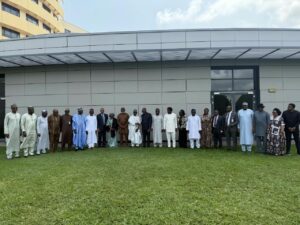
Mr Aliyu noted that pending its full commencement, the facility has been used for activities under the PTDF Overseas Scholarship Scheme and In-Country Scholarship Scheme, as well as training programmes by institutions such as the Bureau of Public Procurement.
He listed the committee’s terms of reference to include developing an operational policy and management framework for the centre; designing competency-based curricula aligned with industry requirements; recommending appropriate training, assessment and certification systems; and establishing pathways for internships, apprenticeships, employment and entrepreneurship.
Others, he said, are developing sustainable partnerships with government agencies, regulators, educational institutions, professional bodies, operators and service companies; and preparing an implementation framework with timelines, responsibilities, monitoring indicators and reporting mechanisms.
ALSO READ: Transparent reporting critical for Nigeria’s energy future — PTDF
In his response, the committee chairman, Emmanuel Ibe Kachikwu, thanked the PTDF for the confidence reposed in the members and pledged to deliver a comprehensive review and operationalisation framework.
Mr Kachikwu, a former Minister of State for Petroleum Resources, said skills development remains critical to economic growth, local participation in the energy value chain and Africa’s effective involvement in the global energy transition.
Members of the committee include the Chairman of the Oil and Gas Trainers Association of Nigeria (OGTAN), Christopher Osarunwense; a representative of the National Board for Technical Education (NBTE), Folorunsho Akande; Chief Executive Officer of Green Energy International, Anthony Adegbulugbe; President of the Trade Union Congress (TUC), Festus Osifo; Mohammed Dauda of Ahmadu Bello University, Zaria; Ayodele Ajayi of the Federal University of Technology, Akure; and Sani Mohammed of Kaduna Polytechnic.
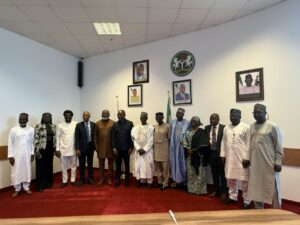
Others are representatives of the Nigerian Midstream and Downstream Petroleum Regulatory Authority (NMDPRA), Zainab Dutse and Professor Gobir; V. U. Akpagher of the Nigerian Upstream Petroleum Regulatory Commission (NUPRC); as well as representatives of Dangote Refinery, the Independent Petroleum Producers Group (IPPG), and other stakeholder organisations.
The PTDF expressed confidence that the committee’s combined expertise will provide the strategic direction required to strengthen the centre’s programmes, deepen industry integration and advance its mandate of developing human and institutional capacity for Nigeria’s energy sector.