



Nigeria’s operational Compressed Natural Gas (CNG) refuelling stations have risen to 113, managed by 24 operators across the country, the Presidential Initiative on Compressed Natural Gas and Electric Vehicles (Pi-CNG & EV) has said.
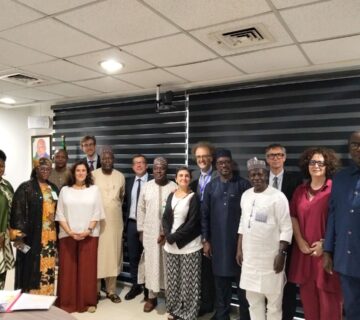
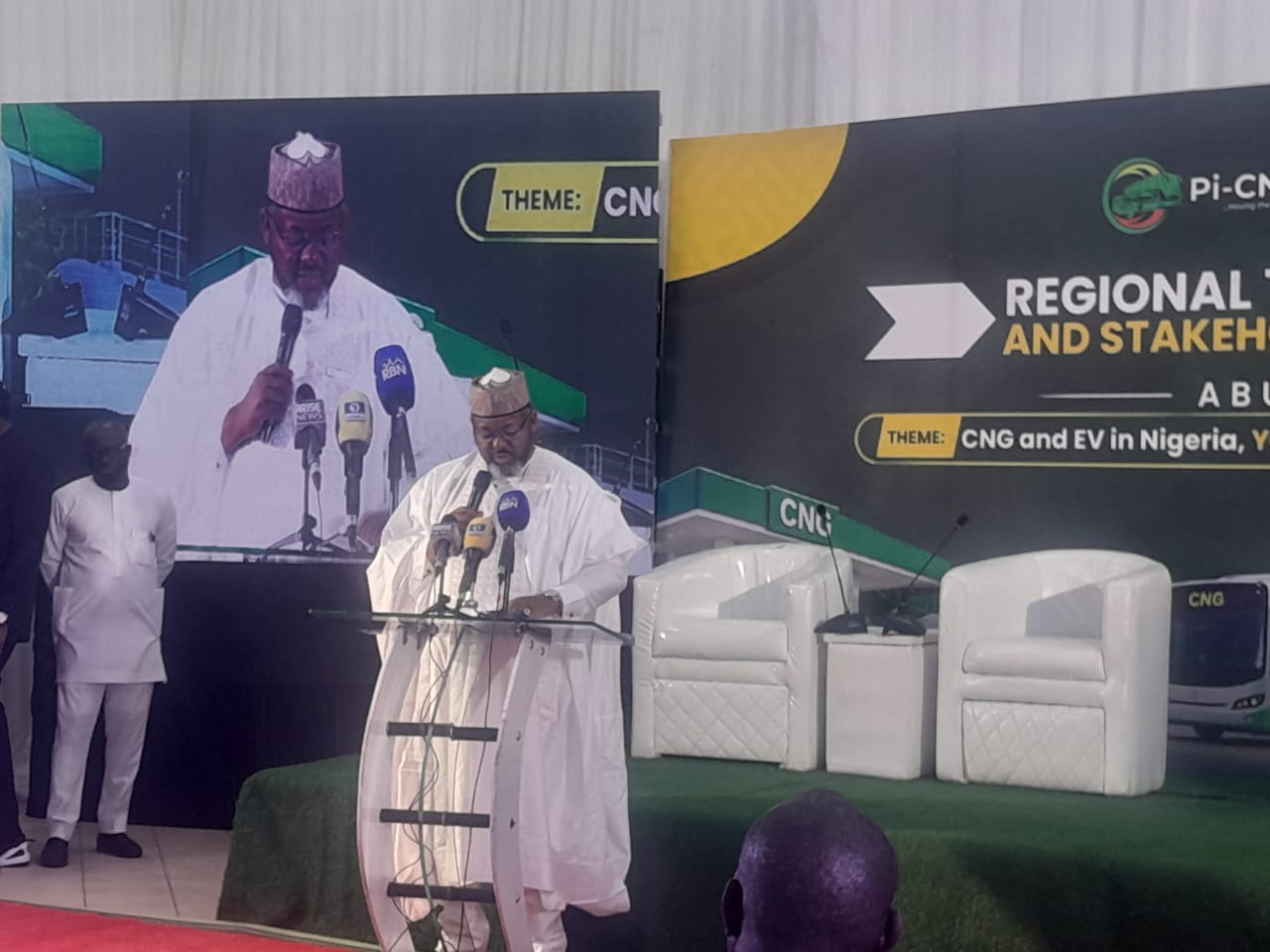
The Head of Gas Supply and Integration, Pi-CNG & EV, Tare Mayor Bright, disclosed the figures while presenting the programme’s projections for CNG vehicle growth and gas supply at a regional town hall and stakeholder dialogue in Abuja on Monday.
According to Ms Bright, by geopolitical zone, North-West have 15, North-Central 33, North-East 4, South-West 41, South East 3, and South-South 17 refuelling stations.
She added that another 127 daughter stations are in the pipeline across 31 states and territories, including 50 being developed by Greenville LNG, 12 by Rolling Energy, 11 by NIPCO/Mobil, 10 by Femadec Energy, another 10 by ASAD Energy Fleet and 14 others to develop 34.
He noted that the proposed facilities are yet to be commissioned.
She said Nigeria’s CNG programme has recorded significant expansion, with vehicle conversions increasing from approximately 11,500 in 2023 to 143,000 by the third quarter of 2026.

According to her, the number of conversion centres has also increased from about seven to 415, noting that the cumulative investment in the programme soared to $2.6 billion in 2026 from the $500 million baseline in 2023.
Ms Bright said the availability of gas and the expansion of refuelling infrastructure must keep pace with the growing number of converted vehicles.
“The initiative has projected that Nigeria’s CNG-powered vehicle population will nearly double to 273,000 by February 2027, from about 143,000 as of the third quarter of 2026.
“It is targeting an additional 130,000 conversions within five months, from September 2026 to February 2027,” she said.
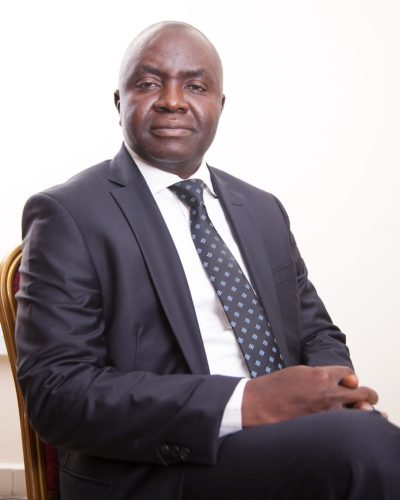
In his address, the Executive Chairman of Pi-CNG & EV, Ismaeel Ahmed, said the Presidential Initiative on Compressed Natural Gas was established at a time when Nigerians were dealing with the immediate consequences of the removal of petrol subsidy.
“The task before us was to begin building a credible alternative around a resource that Nigeria has in abundance. Since then, the programme has expanded, and our mandate now includes electric mobility as part of a broader effort to give Nigerians more options, reduce dependence on a single fuel source and create a transport energy system that is more resilient and competitive.
“We have made progress, and we should acknowledge that. Conversion centres have increased across the country, more refuelling infrastructure is coming onstream, technicians are being trained, standards and safety systems are being strengthened, and we are seeing more private-sector participation in both CNG and electric mobility,” he said.
At the same time, he cautioned that progress on paper is not always the same as progress experienced by the average Nigerian.
“I often say that energy is a habit, because people organise their lives around what they know they can depend on. Nigerians have spent decades building their mobility around petrol and diesel because those were the fuels available to them.
“If we want people to adopt CNG and electric vehicles, then we have to make the alternative easy enough, available enough and reliable enough for new habits to form,” he said.
He said infrastructure remains critical to the transition, stating that it is not enough to have a station somewhere in a state if the people who need it cannot conveniently reach it.
“It is not enough to have conversion centres if the process is still difficult for the ordinary vehicle owner to access.
ALSO READ: FG, states to establish joint financing framework for CNG, electric vehicles
“It is not enough to speak about lower operating costs if passengers are not yet seeing any difference in what they pay on the routes they use every day.”
He said Pi-CNG & EV continues to emphasise availability, affordability and acceptability, which must move together because the transition will only work when people can find the infrastructure, afford the service and trust the technology.
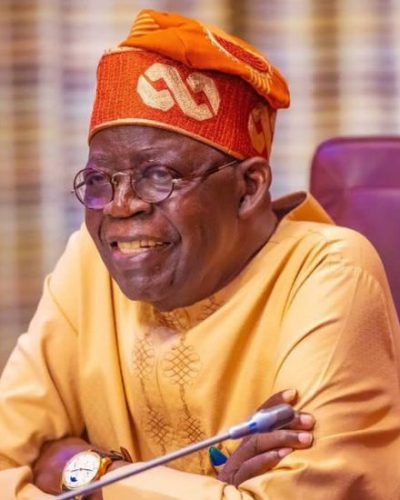
He said President Bola Tinubu’s administration has given the initiative a clear mandate to make better use of Nigeria’s gas resources, deepen local investment, reduce the cost burden associated with transportation and support a cleaner and more competitive economy.

“Our responsibility is to translate that mandate into infrastructure and services that people can actually use,” he said.