

The National Economic Council (NEC) has resolved to establish a joint financing framework between the federal and state governments to accelerate the deployment of Compressed Natural Gas (CNG) and electric vehicles across the country.
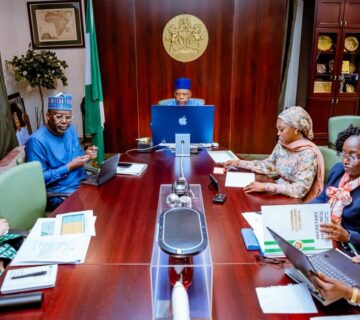
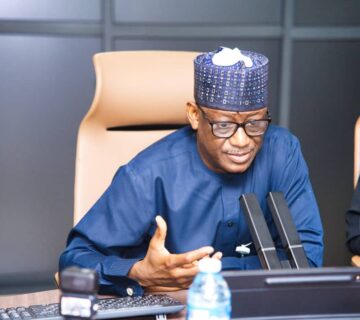
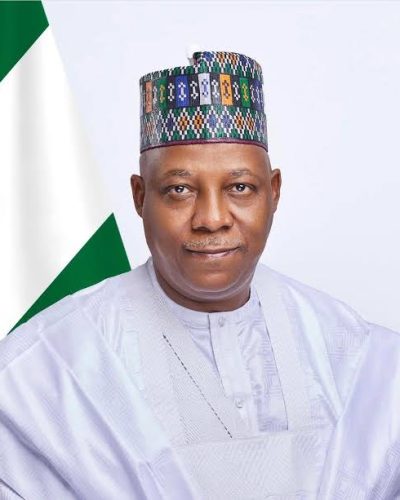
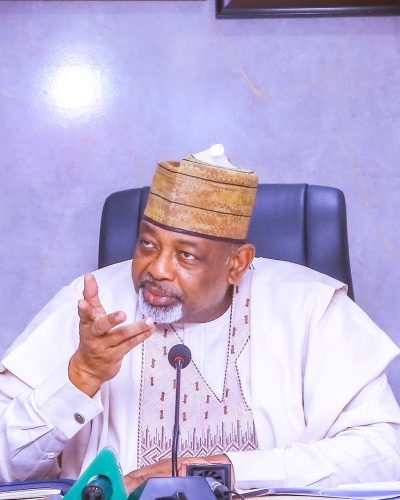
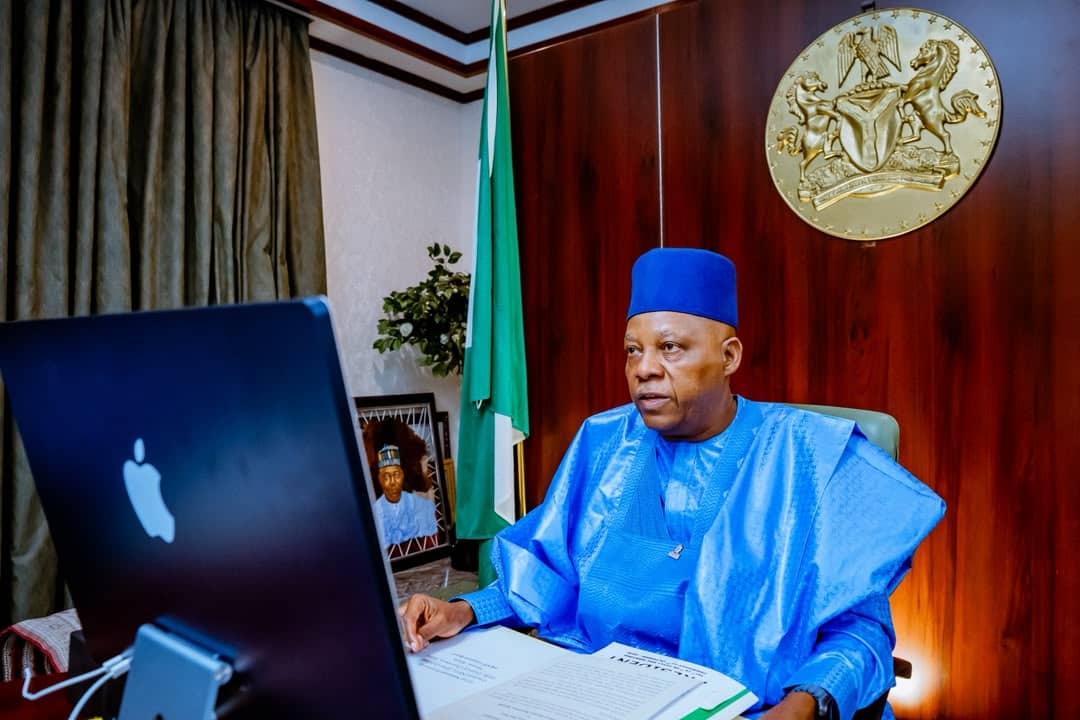
The resolution was reached on Thursday during the council’s 161st meeting held virtually and chaired by Vice President Kashim Shettima, following a presentation on the National Affordable CNG Transit Programme by the Chairman of the Presidential Initiative on Compressed Natural Gas and Electric Vehicles, Ismaeel Ahmed.
According to a statement by the Senior Special Assistant to the President on Media and Communications (Office of the Vice President), Stanley Nkwocha, NEC directed that the programme must deliver tangible benefits to citizens through reduced transportation costs, rather than limiting its impact to the provision of alternative-energy vehicles.
The council further resolved that relevant authorities should engage transport unions and operators to ensure that savings arising from the adoption of CNG and electric vehicles are passed on to commuters through lower fares.
On Wednesday, petroleum industry players said limited refuelling infrastructure, weak financing and supply shortfalls remain the biggest obstacles to wider adoption of CNG in Nigeria.
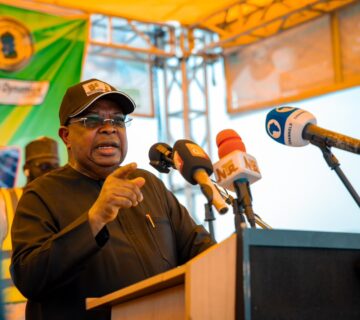
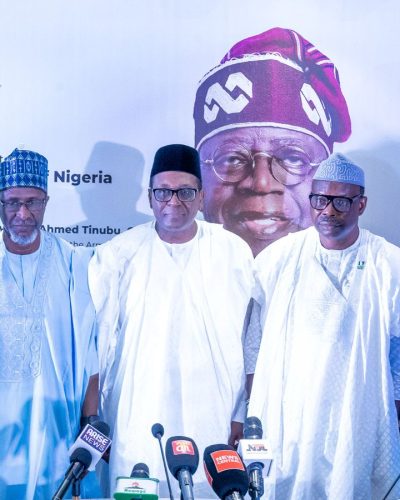
Speaking at a meeting organised by the Presidential Initiative on Compressed Natural Gas and Electric Vehicles (Pi-CNG & EV), the National Compressed Natural Gas Forum (NCNG-F) and the Petroleum Products Retail Outlets Owners Association of Nigeria (PETROAN), the NCNG-F National Chairman, Faruk Abdullahi, said the future of CNG in Nigeria cannot be built by the government alone, nor can it be achieved by conversion centres, gas suppliers or infrastructure providers acting in isolation.
ALSO READ: NEC endorses 90-day plan to ease cost of living, targets single-digit inflation by 2027
“It requires the collective commitment of government, organised labour, transport unions, professional associations, private-sector operators, financiers and the millions of Nigerians whose daily economic activities depend on affordable and reliable energy,” Mr Abdullahi said on Wednesday.
To give effect to the decision, NEC agreed to constitute a committee to coordinate the proposed financing arrangement, engage relevant stakeholders and develop practical measures to ensure that the economic benefits of the programme translate into affordable, accessible and sustainable transportation for Nigerians.
Speaking at the meeting, Vice President Shettima underscored the need for state governments to support affordable transportation systems that would reduce the financial burden on commuters, insisting that success should be measured by affordability and accessibility, not fleet size.
“The cost of reaching a livelihood should never consume the livelihood itself. The passenger’s experience must guide our ambition, because the value of public transport resides in the journeys it makes possible. We should assess success through affordability and access, rather than fleet size alone,” Mr Shettima said.