






The African Petroleum Producers Organisation (APPO) on Tuesday said Africa exports around 70 per cent of its crude oil and 45 per cent of its natural gas, resulting in a staggering loss of $15 billion annually.
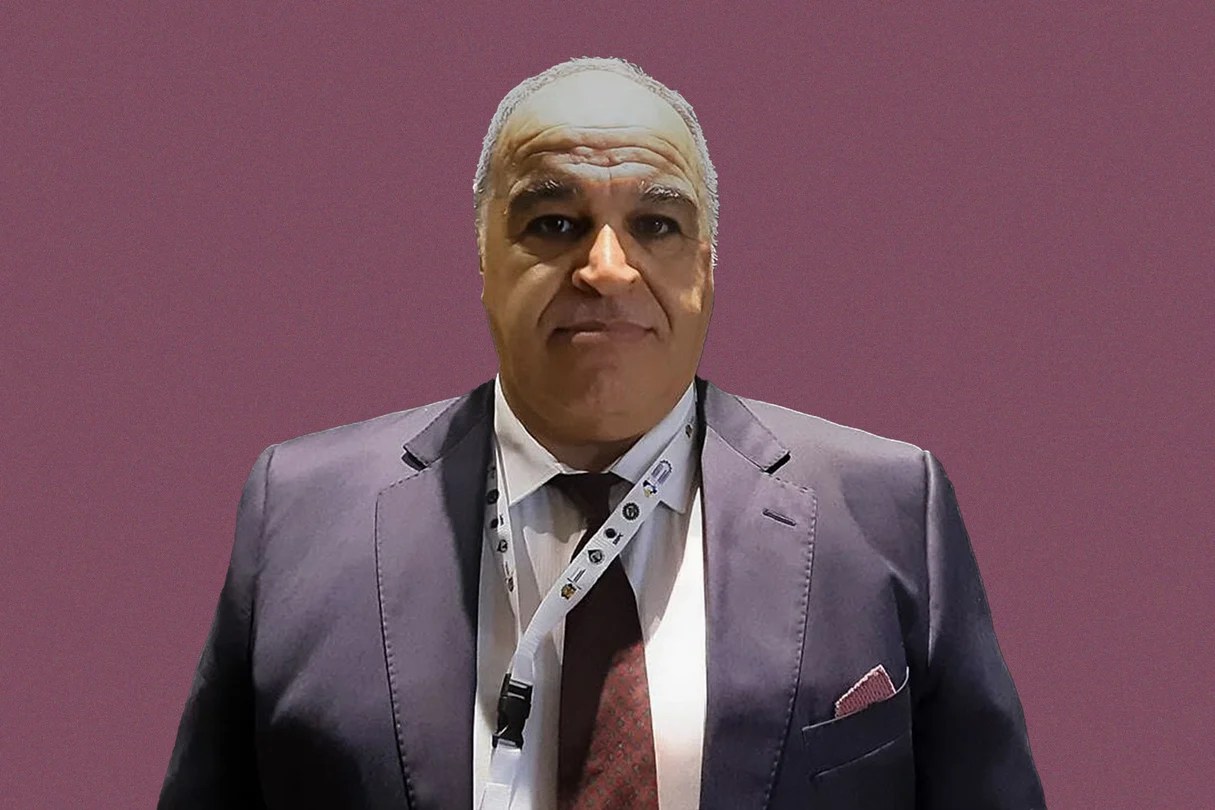
APPO Secretary General Farid Ghezali disclosed this while speaking at the opening ceremony of the 2026 Nigeria International Energy Summit (NIES) in Abuja on Tuesday.
“Despite our immense potential, Africa is facing a paradoxical and frustrating reality. We are still exporting about 70 per cent of our crude oil and 45 per cent of our natural gas, losing $15 billion per year,” he said.
“This is an added value that we could generate locally, especially in the midstream and downstream segments.”
He explained that the main obstacle hindering the development of strategic projects is financing.
“Financing remains the main bottleneck hindering the development of our strategic projects. More than 150 essential projects, from refineries to pipelines, such as the Ajaokuta-Kaduna-Kano (AKK) pipeline to gas infrastructure, remain blocked.
“What for? Because the cost of financing in Africa is 15-20 per cent compared to only 4-6 per cent in Asia,” he said.
He said this disparity is unacceptable and slows down progress.
“In addition, the fragmentation of our energy financial ecosystem is a challenge. Our 18 national oil companies’ NFCs in APPO often operate in isolation, without a common stock exchange, which severely limits regional synergies and our collective ability to attract massive capital.”
ALSO READ: Nigeria’s gas resources can power Africa’s rise — Ojulari
Faced with this emergency, he said APPO has worked tirelessly to forge a resilient African and pragmatic solution, called the African Energy Bank (AEB).
“I am proud to announce that the African Energy Bank, which is scheduled to launch here in Abuja in the first half of 2026, is much more than just a financial institution.
“It is a pan-African platform for the exchange of equipment, energy services and, above all, a catalyst for innovative financing to support structuring African energy projects.
“Because I think it’s time to produce what we are consuming and to consume what we are producing,” he added.
According to him, the AEB is designed to unlock the 200 billion needed for the midstream-downstream project by 2030.
He noted that the AEB will allow the listing of shares of the national companies and flagship projects, such as the Dangote Refinery or the AKK Pipeline.
“Our goal is to raise $15 billion in just three years with this increased liquidity.”
On competitive regional pricing, he said the AEB will unify intra-African pricing for gas and oil, allowing the member countries to achieve savings of up to 30 per cent on their energy imports, a potential gain of $1.4 billion for Africa.