

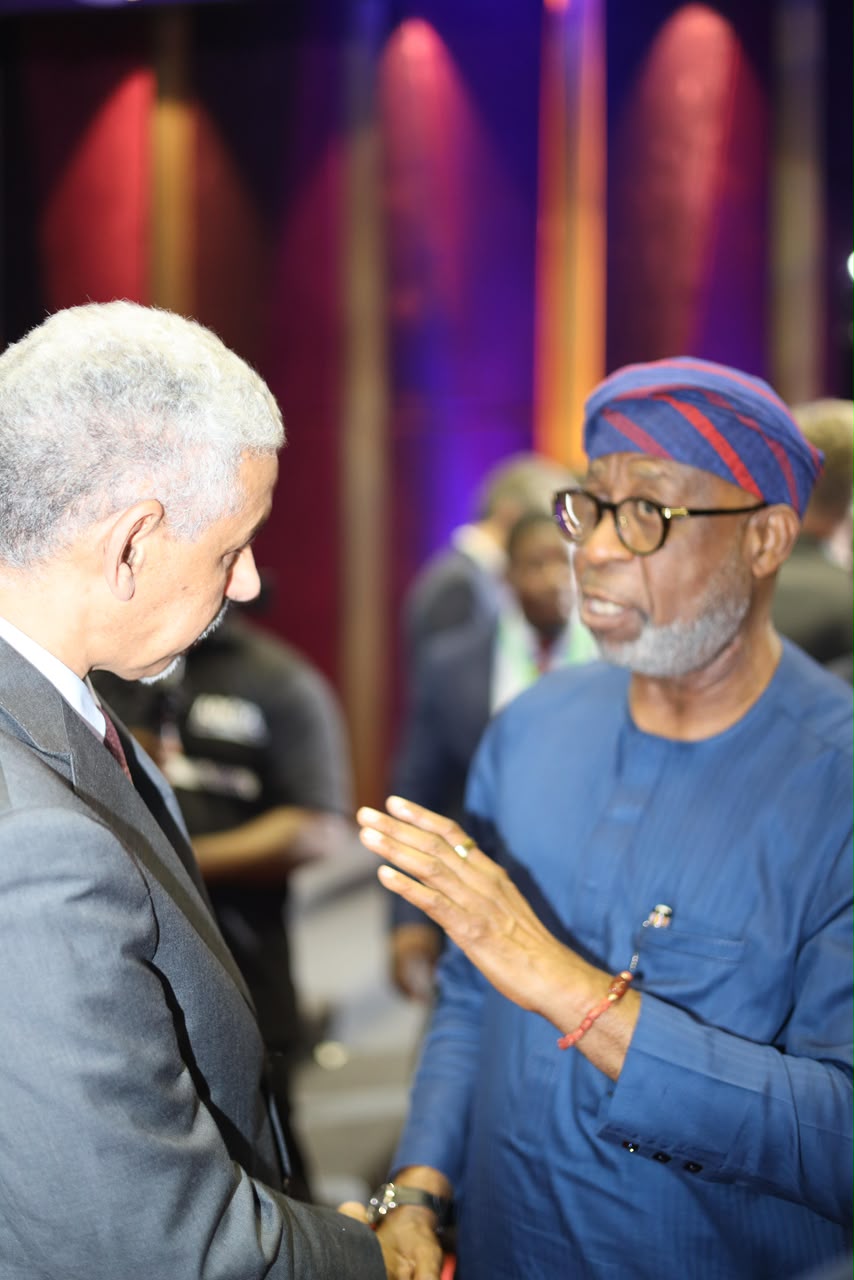
Nigeria and the African Development Bank (AfDB) have called for stronger African control over the continent’s vast mineral resources, through data sovereignty, regional collaboration and strategic financing.
Lara Owoeye-Wise, special assistant on media to the Minister of Solid Minerals Development, Dele Alake, disclosed this in a statement on Sunday.
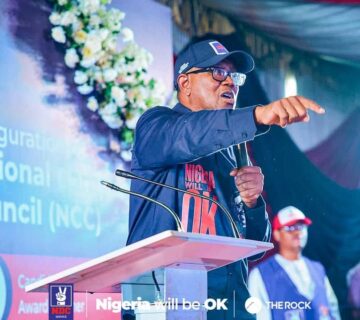
Speaking at the Ministerial Forum on Critical Minerals, Value Chain and Beneficiation in Abidjan, Côte d’Ivoire, Mr Alake urged fellow ministers from Africa’s mineral-producing countries to adopt a strategic approach to interdependence and regional cooperation.
He stressed that the continent’s vast mineral wealth could generate far greater benefits if countries worked together rather than pursuing isolated national approaches.
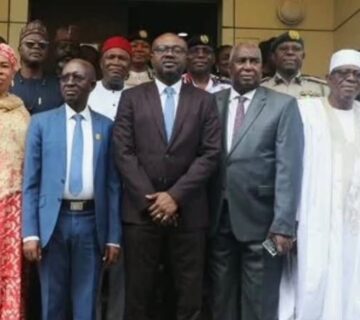
The forum, held under the auspices of the AfDB, according to the statement, brought together more than 20 ministers of mining, energy, industry, natural resources and the green economy, as well as representatives of the African Development Bank, the African Export-Import Bank (Afreximbank), the US Export-Import Bank and mining companies from Germany, Canada and the United States, among others.
Mr Alake, who is the pioneering Chair of the Africa Mineral Strategy Group (AMSG), said while the mantra of value addition has ushered in an era of economic independence for mineral-producing nations, “we need concrete actionable strategies to take charge and be in full control of our natural assets to ensure total economic freedom,” Mr Alake said.
The minister stressed that African countries must also achieve sovereignty over the data and technical systems used to assess their mineral wealth.
Data sovereignty and PARC code
He described the longstanding reliance of African countries on the Australia-based Joint Ore Reserves Committee (JORC) as the standard for estimating and publicly reporting mineral exploration results as outdated.
“For the overall interest of the continent, and to efficiently and effectively safeguard its resources, Africa should take charge of the coding mechanisms utilised to assess its mineral assets,” Mr Alake said.
He advocated the adoption of the Pan African Resource Reporting Code (PARC), a home-grown framework established by the Africa Minerals Development Centre (AMDC) for the public reporting of mineral and energy resources.
According to him, PARC offers a framework that promotes transparency, consistency and ethical competency certification across Africa’s mining and energy sectors, while taking into account the peculiarities, qualities, environmental conditions and characteristics of the continent’s mineral resources.
For Nigeria, he said the push for a continental reporting system is particularly significant as the country seeks to better define, document and develop its mineral assets while strengthening its position in the global critical minerals economy.
Proposed Lagos to Dakar minerals corridor
Mr Alake also called for stronger regional cooperation to address the enormous financial and infrastructural requirements of developing Africa’s mineral resources through the creation of a West African minerals processing hub and corridor modelled on the Lobito Corridor.
The proposed corridor, according to the statement, would stretch from Lagos to Dakar, with countries leveraging their comparative advantages to serve as processing hubs for specific minerals.
Such an arrangement, he said, would reduce the financial burden on individual countries, lower costs, facilitate collaborative trading and enable participating nations to share both the risks and rewards of mineral development.
The statement said the proposal is in line with Nigeria’s broader strategic interest in positioning itself as a major regional centre for mineral processing, industrial development and value addition.
He further highlighted the challenge of trade fragmentation, noting that intra-African trade accounts for only about 16 per cent, compared with approximately 60 per cent among Asian countries and 70 per cent among European countries.
In his remarks, AfDB President, Sidi Ould Tah, highlighted the paradoxes confronting Africa despite its enormous mineral wealth.
He pointed to the contradiction between Africa’s vast size and resources and its limited global influence, noting that the continent’s substantial deposits of critical minerals have yet to translate into commensurate gains in Gross Domestic Product (GDP).
Mr Tah also identified the paradox of opportunity without adequate finance, reflected in the low levels of Foreign Direct Investment (FDI) flowing into Africa.
Both leaders agreed that African countries must move beyond the traditional extraction of raw minerals and develop concrete strategies to take full control of their natural assets.
ALSO READ: Alake advocates regional hubs to power Africa’s mining industry
According to the statement, the ministerial forum resolved that African countries must adopt a concerted and results-oriented approach to critical minerals policy and governance while pursuing integrated regional infrastructure organised around corridors, value-chain development and capital mobilisation.
“These commitments were captured in the Abidjan Declaration, which placed financing at the centre of efforts to transform Africa’s solid minerals sector.
“Under the Declaration, the African Development Bank pledged to deploy its financial instruments, capital-structuring and mobilisation capacity, as well as technical expertise, to support mineral-producing countries and catalyse public and private investment in Africa’s minerals sector,” the statement said.
It said the Declaration further committed to addressing the shortage of funding for the sector by reducing risks associated with strategic projects, enabling the financing of critical infrastructure, supporting the development of bankable projects and accelerating the creation of competitive, inclusive and sustainable value chains in critical minerals.
It also urged mineral-producing countries to develop national and regional capacities capable of creating opportunities for project financing and generating sustainable, high-quality local value and employment.