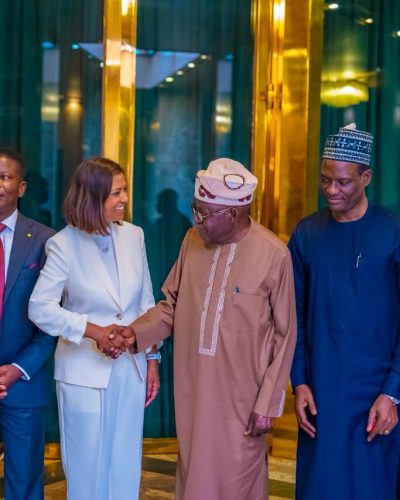

Nigeria on Wednesday transitioned from analogue to digital broadcasting with the launch of the Digital Switch Over (DSO) platform.
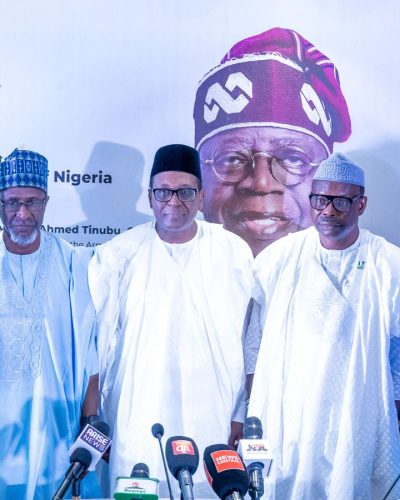
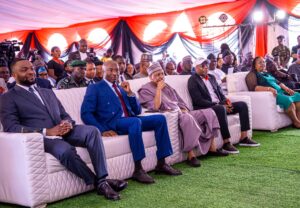
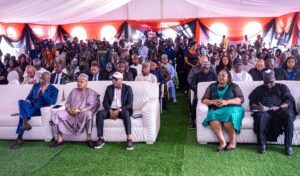
The launch was held at the headquarters of Nigerian Communications Satellite Limited (NIGCOMSAT) in Abuja.
This, according to the government, means Nigerians will have access to a richer and more diverse content ecosystem, featuring channels tailored to different interests, age groups, and demographics.
Already, 57+ channels are live and available through the FreeTV app(on Google Play) and the NigSat satellite platform, giving more households access to quality digital television content nationwide, the federal government said.
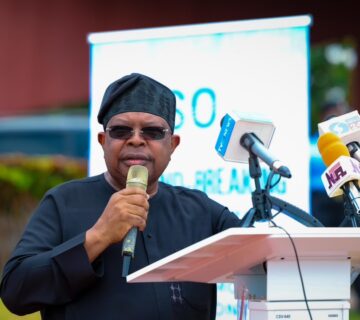
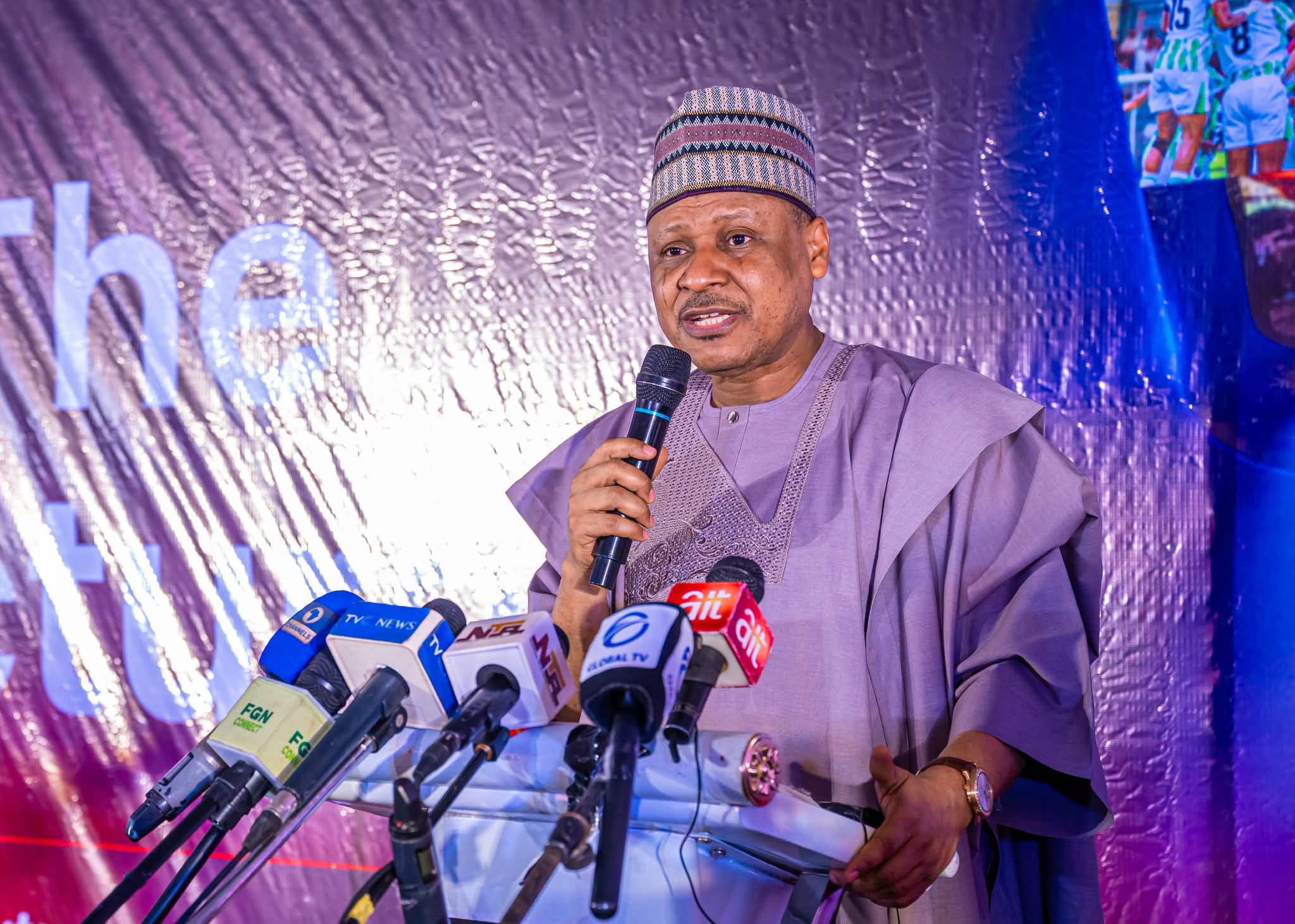
Speaking at the launch, on Wednesday, Minister of Information and National Orientation, Mohammed Idris, said the launch of the platform is therefore not merely a broadcasting milestone; but is part of a broader national effort by the federal government to build a more connected, more competitive, and more prosperous Nigeria.
“Under the leadership of President Bola Ahmed Tinubu, the federal government has provided the necessary support, policy direction, and resources to advance this important national project.
“This administration recognises that broadcasting remains a strategic sector for information dissemination, education, national cohesion, cultural promotion, and economic development. The Digital Switch Over project is therefore not simply a technological transition. It is an investment in Nigeria’s future,” Mr Idris said.
According to him, the Digital Switch Over programme is not about replacing one technology with another. Rather, it is about expanding access, increasing reach, and embracing innovation.
Consequently, he said stakeholders agreed that Digital Terrestrial Television (DTT) remains an integral component of Nigeria’s digital broadcasting framework.
“What we are pursuing is a hybrid broadcasting model that combines DTT, Direct-to-Home satellite delivery, and digital application-based platforms.
“This approach reflects global best practices and ensures that Nigerians can access quality content across multiple channels, regardless of location, economic circumstances, or technology preferences. The goal is simple: to make quality broadcasting available to more Nigerians than ever before.”
Beyond technology, the minister said the DSO is fundamentally an economic and creative industry project.
“The opportunities before us are enormous. A fully implemented DSO ecosystem will create jobs, stimulate local manufacturing, expand audience reach, strengthen content production, increase advertising opportunities, and unlock new revenue streams for broadcasters and content creators.
“As a government, we understand that sustainability is essential. We are therefore committed to building a broadcasting ecosystem that is commercially viable, technologically resilient, and capable of supporting future growth. We remain committed to ensuring that Nigerian creativity remains at the heart of our broadcasting ecosystem.
“We are equally committed to promoting indigenous technology development and encouraging greater participation by Nigerian manufacturers and service providers.”
He stressed that the DSO must create opportunities for Nigerian businesses, Nigerian innovators, and Nigerian workers.
“This launch is not the end of a journey. It is the beginning of a new chapter for Nigerian broadcasting. Together, we will build a broadcasting ecosystem that is more inclusive, more innovative, more sustainable, and better positioned to serve our people’s needs,” he said.
Director-General of the National Broadcasting Commission (NBC), Charles Ebuebu, said the launch marked another important step in delivering President Bola Tinubu’s Renewed Hope Agenda.
He said the agenda prioritised inclusion, access to opportunity, job creation, local enterprise, and the use of technology to improve everyday life for Nigerians.
“FreeTV is part of Nigeria’s Digital Switch-Over programme and is designed to ensure that no Nigerian is left behind as the country moves fully from analogue to digital broadcasting.
ALSO READ: FG to roll out 10,000 electric tricycles to Nigerian market in August – Shettima
“Through the platform, Nigerians will have access to over 100 national, regional and state channels, including news, sports, movies, music, children’s programmes, educational content, and dedicated Yoruba, Hausa and Igbo language channels,” he said.
Additionally, Mr Ebuebu said FreeTVservice will reach viewers via satellite, terrestrial transmission and the FreeTV mobile app.
“Nigerians do not need to buy a new television to watch FreeTV. Existing televisions can work with compatible OVB-T2 or DVB-S2 decoders, and those who already have compatible free-to-air decoders may not need to buy a new one.
“Free TV speaks directly to President Bola Ahmed Tinubu’s vision of Renewed Hope towards expanding access, creating opportunity and ensuring that every Nigerian, regardless of location or income, can benefit from the digital economy.
“With Free TV, families across Nigeria can enjoy quality digital television without a monthly subscription, while our local content producers, technicians and young creatives gain new platforms and new jobs,” he added.