

The 330kV West African Power Pool (WAPP) North Core Interconnection Project is nearing completion and holds significant potential to transform power supply and stimulate economic growth across West African countries.
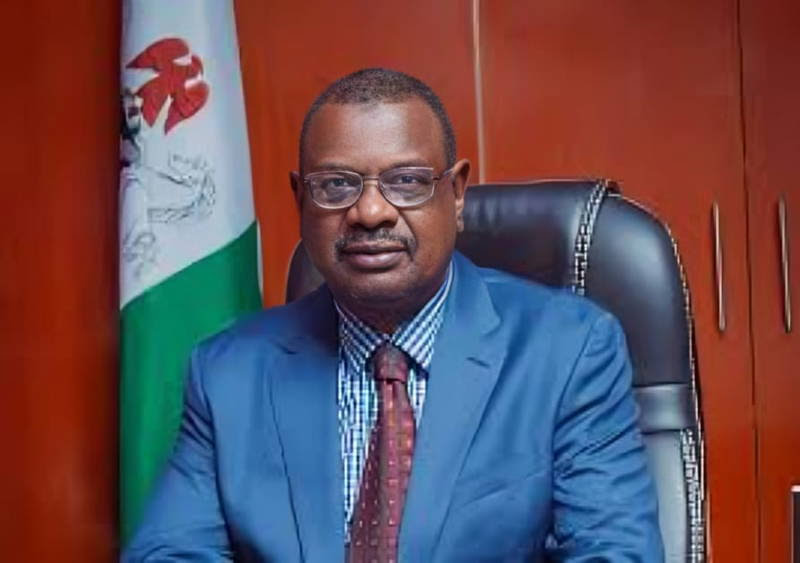
The chairman of the WAPP Executive Board, Sule Abdulaziz, who also serves as the Managing Director/Chief Executive Officer of the Transmission Company of Nigeria (TCN), disclosed this at the 9th Meeting of the Joint Supervision Committee held in Abuja on Tuesday.
In November last year, the Minister of Power, Adebayo Adelabu, said Nigeria has successfully conducted a grid synchronisation test connecting the national electricity grid with the interconnected WAPP system.
Mr Adelabu, at the time, said this exercise represents the first time in history that Nigeria has operated in a unified, stable, and fully harmonised configuration with the rest of the sub-region.
In January, the Nigerian Independent System Operator (NISO) said it has been formally admitted into WAPP, marking a significant milestone in the country’s electricity sector reform and regional power integration efforts.
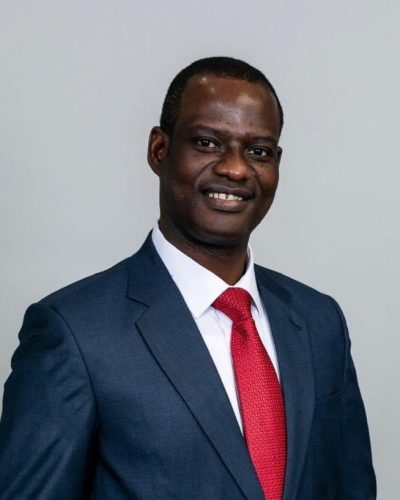
On Tuesday, Mr Abdulaziz, represented by the General Manager (Programme Coordinator) in TCN, Aminu Tahir, said beyond the immediate benefits, the project is expected to reduce electricity costs.
He noted that this could enhance grid reliability, and ensure a more stable power supply to critical sectors such as healthcare, education, and manufacturing.
“This project extends beyond infrastructure; it is a practical demonstration of regional cooperation that will stabilise national grids and promote economic activities across borders,” he said.
He described the project as a symbol of unity, resilience, and collective strength, reflecting what can be achieved when countries collaborate toward a shared objective.
He noted that even at this stage, the project is already yielding tangible benefits through job creation and capacity development across participating countries, thereby strengthening West Africa’s position in global infrastructure development.
He, however, acknowledged prevailing challenges on the ground, particularly security concerns and logistical constraints, which have continued to impact timelines and operations.
He emphasised that the protection of personnel and critical infrastructure remains paramount to the successful delivery of the project.
He commended the continued support of development partners, particularly the African Development Bank and the World Bank, while underscoring the importance of transparency, accountability, and efficient resource utilisation as the project advances toward completion.
Reiterating the urgency of timely delivery, he urged all stakeholders to act decisively, noting that delays have direct implications for millions who depend on improved access to electricity.
He further reaffirmed Nigeria’s commitment to accelerating progress, particularly along the Northern corridor, which serves as a critical backbone of the project.
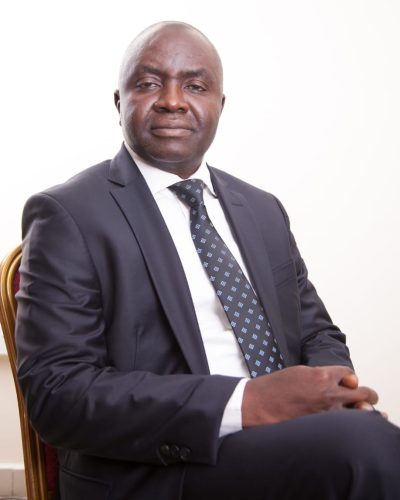
In his remarks, the Secretary General of the West African Power Pool (WAPP), Abdoulaye Dia who was represented by Kodjo Afidegnon, said the project had attained an overall physical execution rate of 56 per cent as of 31 December 2025.
He added that 728.7 kilometres of transmission corridors had been cleared out of a total of 880 kilometres, while 5,692 affected persons had been duly compensated.
READ ALSO: Amidst grid collapse, NISO joins West Africa power pool
“While steady progress has been recorded, security challenges and logistical constraints in parts of the region continue to delay timelines and raise costs,” he said.
He emphasised that sustained collaboration among member states and development partners remains critical to maintaining momentum and ensuring the timely completion of the project.
In his presentation, the Senior Monitoring and Evaluation Specialist for the WAPP North Core Project (PMU), Michel Ouedraogo, noted that the security challenges in parts of the region have contributed to delays and increased project costs.
These developments, he explained, have necessitated the extension of financing agreements and called for stronger support and commitment from beneficiary countries.
He added that efforts are being intensified to enhance coordination, strengthen safety measures, and accelerate implementation across all project segments.
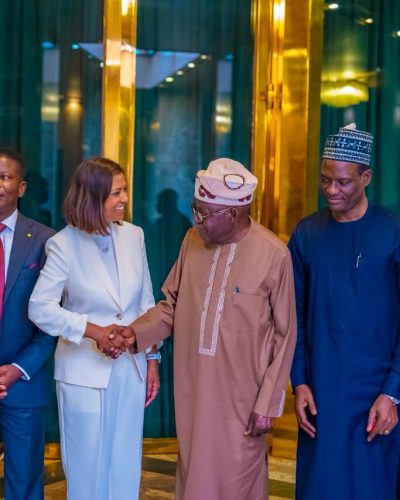
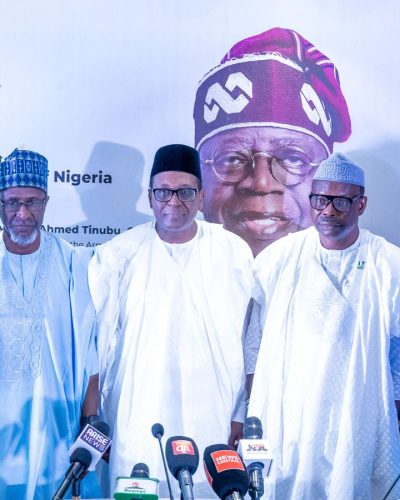
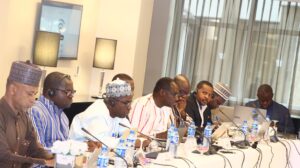
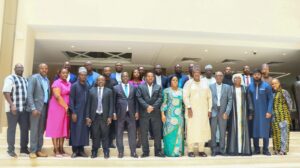
The meeting brought together representatives from the Ministries of Energy and Finance of Benin, Burkina Faso, Niger, Nigeria, and Togo, alongside utility executives and key project stakeholders, all committed to advancing a more integrated and reliable regional power network.