
The Nigerian government has launched a multi-dimensional agricultural drive, tagged the “Back to the Farm” initiative, aimed at tackling persistent food insecurity across the country.
Stanley Nkwocha, a senior special assistant to the President on Media and Communications at the Office of the Vice President, disclosed this in a statement posted on his X handle.
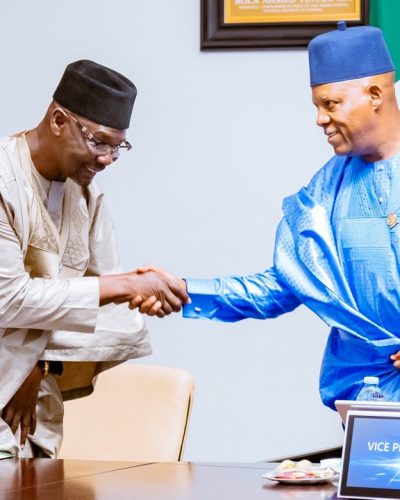
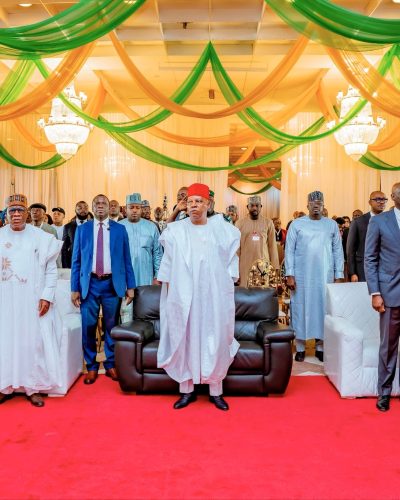
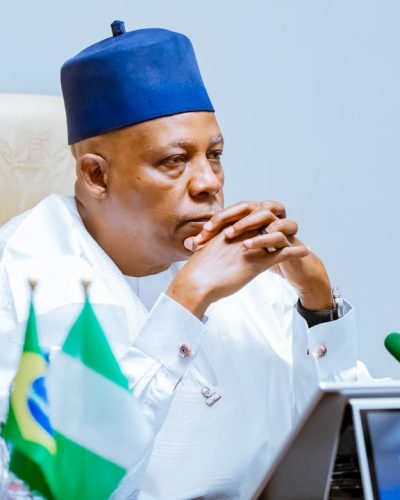
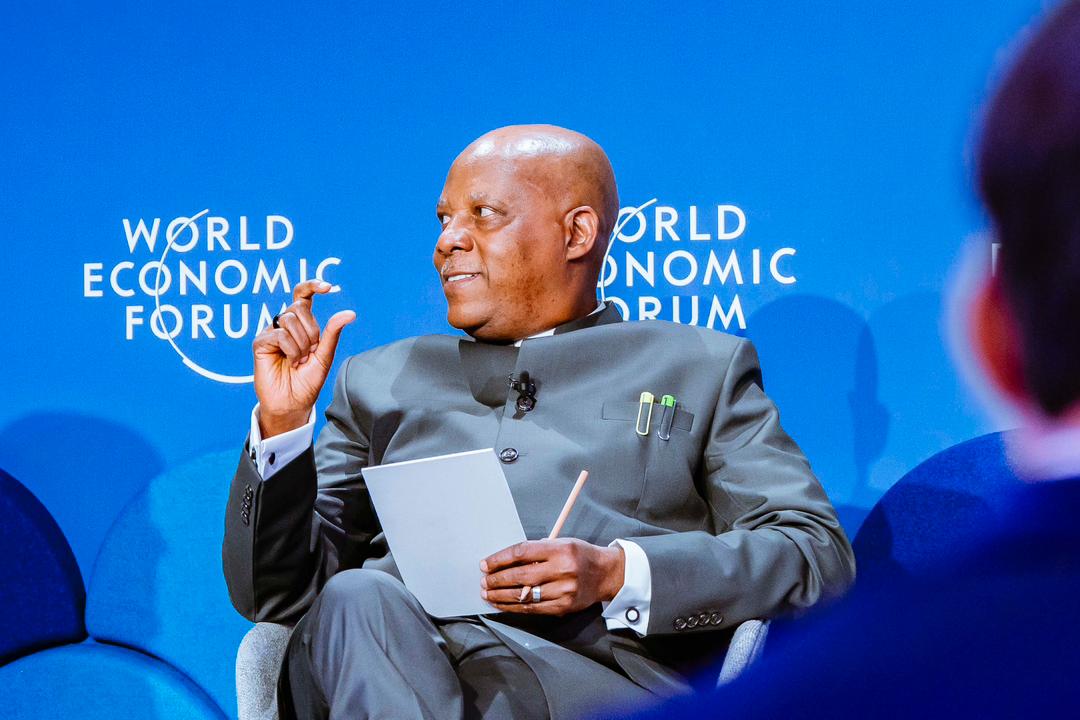
According to the statement, Vice President Kashim Shettima disclosed this on Thursday while speaking on a panel titled “When Food Becomes Security” at the Congress Centre during the 56th World Economic Forum (WEF) meeting in Davos, Switzerland.
‘Back to the Farm’ initiative to curb inflation, foreign exchange spending on imports designed to insulate the nation from global shocks while restoring the productivity of its food basket regions,” Mr Shettima said.
He said the federal government no longer treats food security as a narrow agricultural concern but as a strategic pillar for governance, economic stability, and regional cohesion.
“In Nigeria, we don’t look at food security purely as an agricultural issue. It is a macroeconomic, security and governance issue. Our focus is to use food security as a pillar for national security, regional cohesion and stability.”

Strategy
Mr Shettima said Nigeria’s food security strategy is anchored on three pillars: increased food production, environmental sustainability, and deeper regional integration within the West African sub-region.
He explained that changing global trends and supply chain disruptions have compelled Nigeria to look inward and rebuild its agricultural base by developing resilient food systems tailored to its diverse ecological zones.
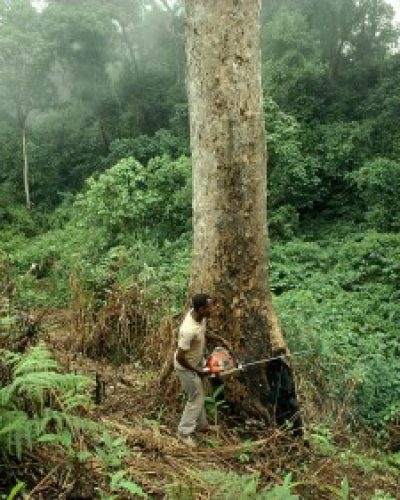
“Nigeria is a very large country, and there is an incestuous relationship between economy and ecology. In the Sahelian North, we are facing desertification, deforestation, and drought. In the riverine South and parts of the North Central, flooding is our major challenge.”
To address these challenges, he stated that the government is promoting drought-resistant, flood-tolerant, and early-maturing varieties of staple crops, such as rice, sorghum, and millet, while redesigning food systems in flood-prone southern regions to withstand climate shocks.
According to him, Security remains a major constraint, particularly because many conflict-affected areas are also Nigeria’s primary food-producing zones.
“Most of the food baskets of our nation are security-challenged. That is why we are creating food security corridors and strengthening community-based security engagements so farmers can return safely to their land,” he added.
Concern
Addressing Nigeria’s macroeconomic vulnerabilities, Mr Shettima identified import dependence and foreign exchange volatility as major drivers of food inflation.
“We largely import wheat, sugar and dairy products, and this has a direct impact on inflation. Our strategy is to accelerate local production and promote substitutes such as sorghum, millet and cassava flour to correct these structural imbalances,” VP Shettima said.

The Vice President said Nigeria’s approach aligns food security with national stability, inflation control, and regional cooperation, positioning agriculture as a frontline response to both economic and security threats.
The Vice President further said Nigeria, renowned as the African giant, has “woken up from its slumber” under President Bola Tinubu, noting that the government is on course to make “it possible for smallholders and fishers to become investable at scale” within 12 months.
He said in Africa, intra-African trade has almost become a necessity, adding that “there have been some alignments.”
Mr Shettima urged his African counterparts to intensify efforts under the canopy of the African Continental Free Trade Area (AfCFTA) to ensure that African nations get things right internally.
He expressed optimism that with the ongoing Renewed Hope Agenda reforms, the coming months will witness greater climate adaptation moving from pilot to reality, as well as a boom in intra-African trade far beyond 10.7 per cent.