
![Nigerian food market. [Photo credit: The Guardian NG]](https://thepreviewmedia.com/wp-content/uploads/elementor/thumbs/Nigeria-Food-market0-rnhwouhomgb6qrfulkpmvgq8nzn41y6tcgi4mirafc.jpg "Nigerian food market. [Photo credit: The Guardian NG]")

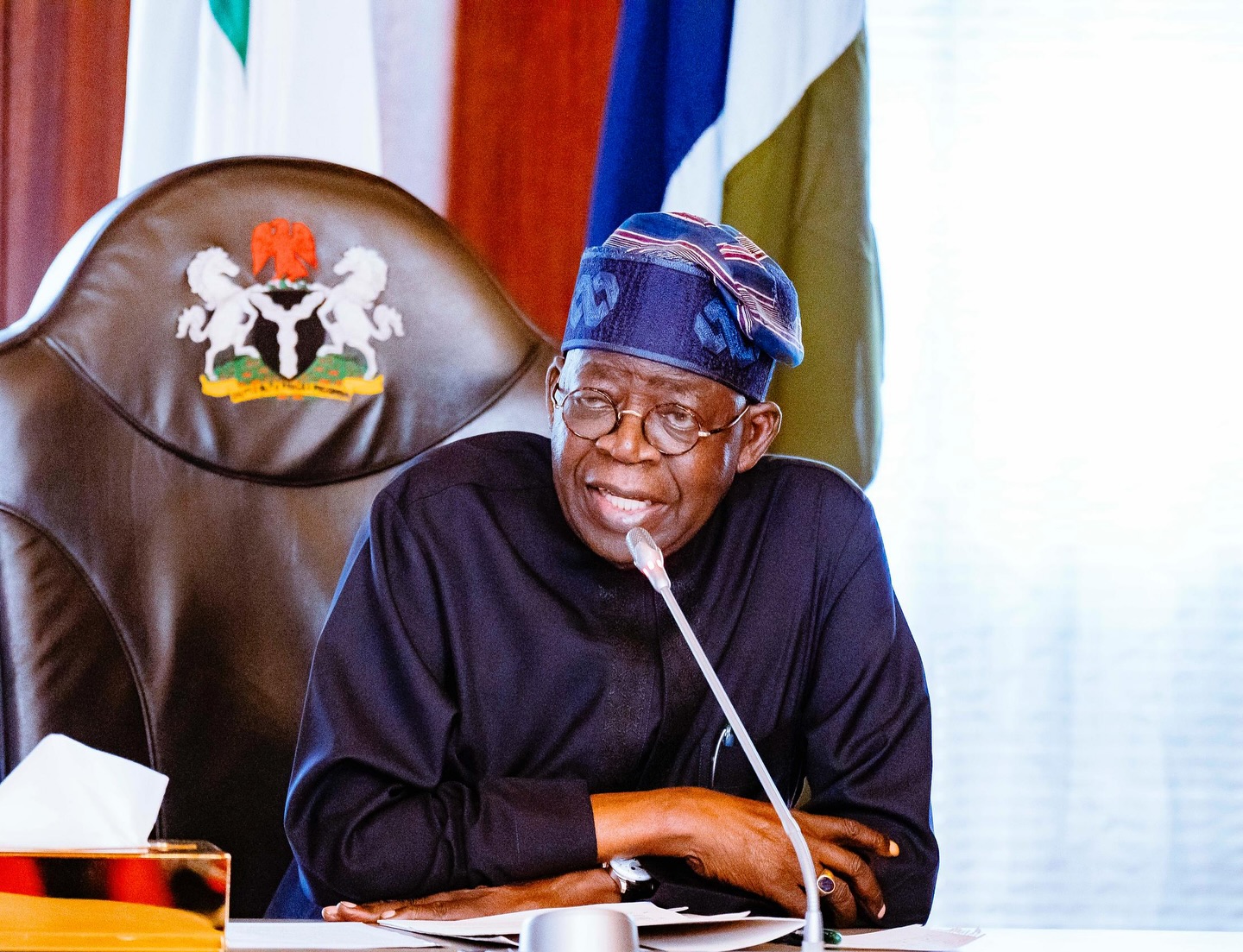
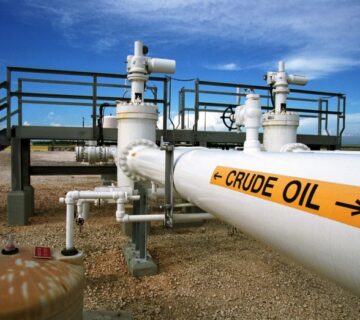
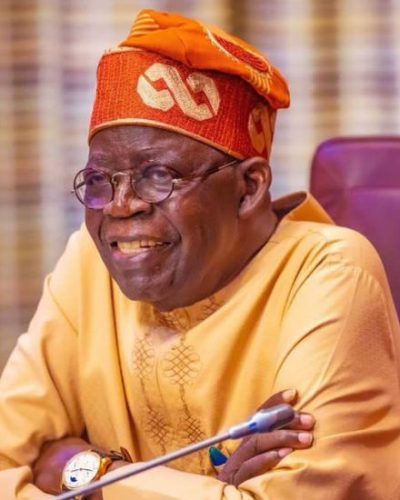
President Bola Tinubu has said he signed the Deep Offshore Oil and Gas Projects Incentives (Tax Remission) Order, 2026, to end years of stalled projects and unlock up to $50 billion in investment for Nigeria’s deep offshore oil and gas sector.
Mr Tinubu had earlier on Tuesday approved a landmark reform that replaces project-by-project negotiations with a transparent investment framework designed to unlock up to $50 billion in deep offshore investment and restart Nigeria’s large, capital-intensive offshore developments that have remained stalled for decades.
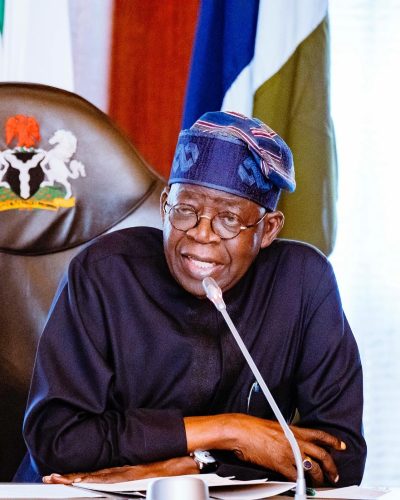
In a statement to Nigerians released on Tuesday and posted on his X handle, the president said the new policy was necessary to provide “clear and predictable terms” that will give investors confidence to commit billions of dollars to projects that have remained on hold for over a decade.
“Dear Nigerians, for many years, Nigeria has possessed some of the most promising deep offshore oil and gas resources in the world, yet several major developments have remained stalled. Oil lies beneath our waters. We have engineers, businesses and young people capable of doing increasingly sophisticated work in the sector.
“What has often been missing is the certainty required for investors to commit billions of dollars, over many years, at the scale needed to turn that potential into production, jobs and opportunity for Nigerians.
“We cannot afford to leave that opportunity beneath our waters for another decade. I have therefore signed the Deep Offshore Oil and Gas Projects Incentives (Tax Remission) Order, 2026, to provide clear and predictable terms for a new generation of deep offshore investment in Nigeria,” Mr Tinubu said.
According to him, the framework is expected to unlock up to $50 billion in investment, beginning with the approximately $10 billion Bonga South West project.
“For existing deep offshore leases, there is a clear window to reach Final Investment Decision by 31 December 2029 and receive the full standard incentive available under the Order.
“There is urgency to this work. Capital moves, and countries compete for it every day. The countries that attract long-term investment are not necessarily those with the greatest natural resources. They are the ones that provide the greatest certainty. Nigeria must be one of those countries,” he said.
Mr Tinubu said the Order marks the tenth major policy directive of his administration targeted specifically at the oil and gas sector, noting that each has dealt with a constraint holding back investment, production or value creation.
Taken together, he said, they represent a deliberate effort to make the country’s oil and gas industry more competitive, attract capital back to Nigeria and ensure that more of the value created from the resources remains here at home.
“But attracting investment is only half of my purpose. I want the work that comes with these projects to come home to Nigeria. I want our engineers involved, our fabrication yards working, our marine and technical service companies securing contracts, and our young people acquiring skills that will remain valuable long after the first barrel is produced.
“The Order reflects this priority. For projects accessing its supplementary incentives, activities are to be performed in Nigeria, subject to clearly defined exceptions and Nigerian content requirements.
“My ambition is that we use this new investment cycle to build Nigeria into Africa’s regional hub for deep offshore project execution. We should not only possess the resources. We should increasingly possess the skills, businesses and industrial capacity required to develop them,” he added.
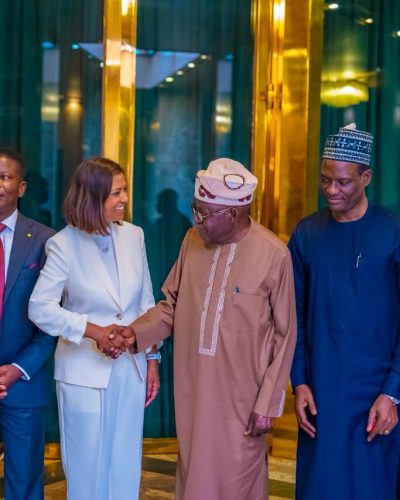
Mr Tinubu said when he engaged the Chief Executive Officer of Shell plc, Wael Sawan, “I directed my team to look beyond a solution for one company or one project. We needed a framework that could unlock a wider pipeline of investment while protecting Nigeria’s long-term interests.
“That framework is now in place. Ultimately, I will judge its success by what Nigerians see from it in terms of good jobs, stronger Nigerian businesses, greater production, increased revenues for the federation and new capabilities built here at home.
“Our natural resources must work harder for our people. That is the purpose of this decision, and we will pursue it with urgency,” he added.