![Nigerian food market. [Photo credit: The Guardian NG]](https://thepreviewmedia.com/wp-content/uploads/elementor/thumbs/Nigeria-Food-market0-rnhwouhomgb6qrfulkpmvgq8nzn41y6tcgi4mirafc.jpg "Nigerian food market. [Photo credit: The Guardian NG]")

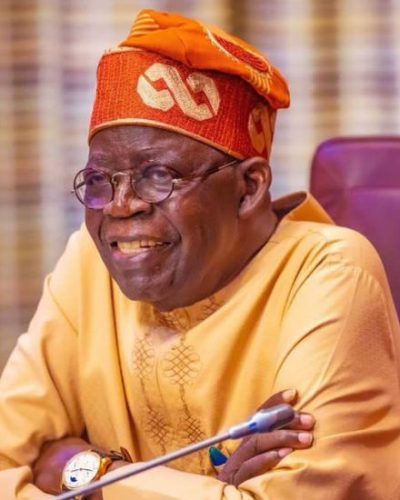
President Bola Tinubu has called for an aggressive continental alliance to end the exploitation of Africa’s mineral resources and halt the export of raw materials.
Mr Tinubu said African nations must shift from being mere suppliers of raw minerals to hubs for local processing, manufacturing, and value addition, Stanley Nkwocha, the president’s senior special assistant on media & communications (Office of the Vice President), said in a statement on Tuesday.
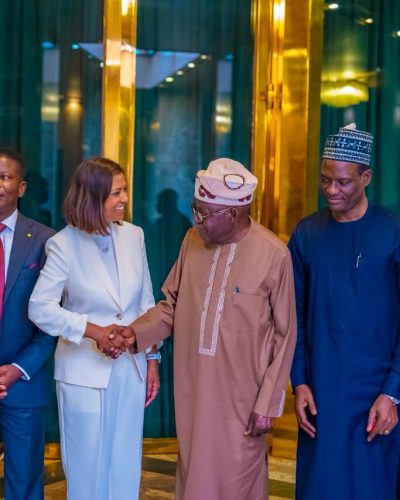
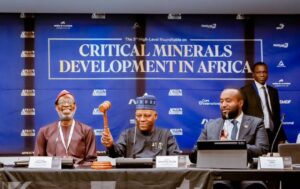
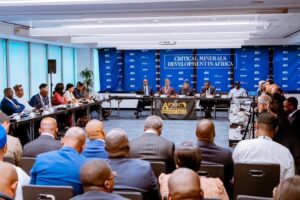
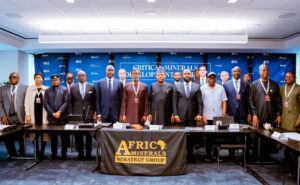
The President made the call on Monday in New York, United States, at the 3rd Africa Minerals Strategy Group (AMSG) High-Level Roundtable on Critical Minerals Development in Africa, held on the sidelines of the 81st Session of the United Nations General Assembly (UNGA).
The roundtable, convened and chaired by Mr Tinubu and co-chaired by Vice President Kashim Shettima and the Minister of Solid Minerals Development, Dele Alake, was themed: “From Resources to Wealth: Continental Cooperation for Mineral Value Addition, Data Sovereignty, Innovative Financing and Critical Minerals Security.”
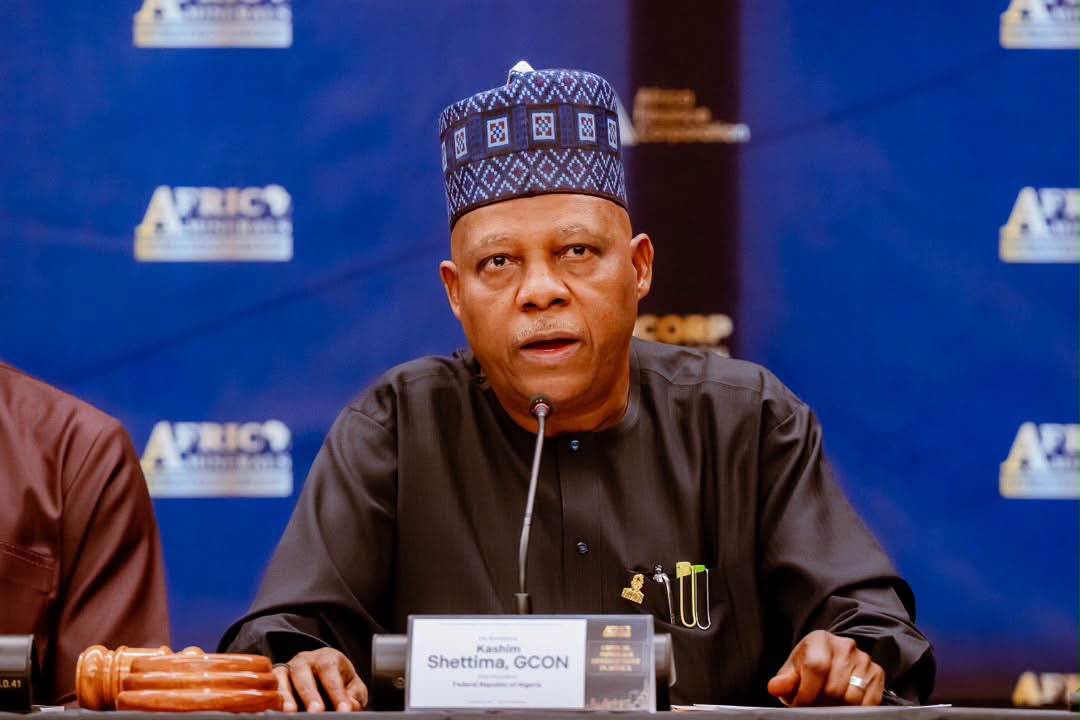
Mr Tinubu, whose address Mr Shettima delivered, said the continent cannot claim wealth while its people remain poor amid mines that enrich the world.
“For generations, Africa has furnished the materials of prosperity elsewhere. Our duty is to ensure that the future being fashioned from African minerals has room for African ambition,” Mr Tinubu said.
Stop exporting wealth
The President lamented that mineral-rich communities still lack infrastructure, jobs and a stake in their own wealth at a time when global demand for clean energy, artificial intelligence and advanced manufacturing has made Africa’s critical minerals — cobalt, copper, lithium and rare earth elements — indispensable to global supply chains and economic security.
He said the answer to the deprivation must be processing, refining, battery production and African technologies.
“The worth of a mine must be counted in the lives it improves. Jobs, industries, infrastructure, technology transfer, African enterprise participation and prosperity retained across generations must measure our progress from resources to wealth,” he said.
Mr Tinubu warned that no African country can achieve the transition alone, noting that competing through lower royalties, weaker local content and excessive concessions would only weaken the continent’s negotiating power.
“Fragmentation leaves us exporting raw materials and buying finished goods at a premium. Cooperation gives our markets scale, our industries integration, our financing reach and our negotiations authority,” he added.
Nigeria’s reforms
The President said Nigeria has introduced reforms requiring local value addition for new mining licences, strengthening geological data, organising artisanal miners into cooperatives, combating illegal mining and improving regulatory accountability.
According to him, revenue from the sector rose from about N6 billion in 2023 to over N38 billion in 2024 and between N68.1 billion and N70 billion in 2025.
He said major foreign investment commitments and large-scale lithium processing capacity developed and commissioned in Nasarawa State demonstrate the possibilities of the policy.
Mr Tinubu added that Nigeria’s mining policy direction stipulates that minerals extracted in the country must sustain Nigerian industries, workers, skills and communities.
He offered Nigeria’s experience for adaptation across the continent and called for partnerships grounded in mutual benefit, sovereign equality and respect for Africa’s priorities.
ALSO READ: Shettima to deliver Nigeria’s national statement at UNGA Thursday
He also called on AMSG members to speak with one voice, saying reliability must never mean dependency and partnership must never demand inequality.
Declaration must have timelines
On the Continental Integration and Economic Assurance Declaration adopted at the roundtable, Mr Tinubu said it must establish a predictable, investment-ready environment for Africa’s Strategic Mineral Corridors, harmonised policies and shared infrastructure.
He said the declaration’s authority must survive the signing ceremony through a binding programme with timelines, financing, implementation and public accountability.
“Africa’s power resides in its people, markets and ingenuity. No outsider will organise our continent or place our industrial interests above their own. We must integrate our markets, mobilise African capital and negotiate with one voice wherever our interests converge,” he said.
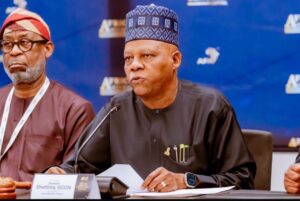
“Minerals confer no automatic prosperity; vision, investment and industry must earn it. Political will must turn mineral promise into enduring African wealth.”