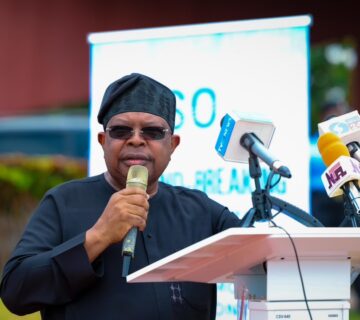


Nigeria is moving from “hesitation to ambition” in its energy sector, with over $50 billion of upstream projects in the visible pipeline and a N4 trillion programme launched to reset the power sector, the Special Adviser to President Bola Tinubu on Energy, Olu Verheijen, has said.
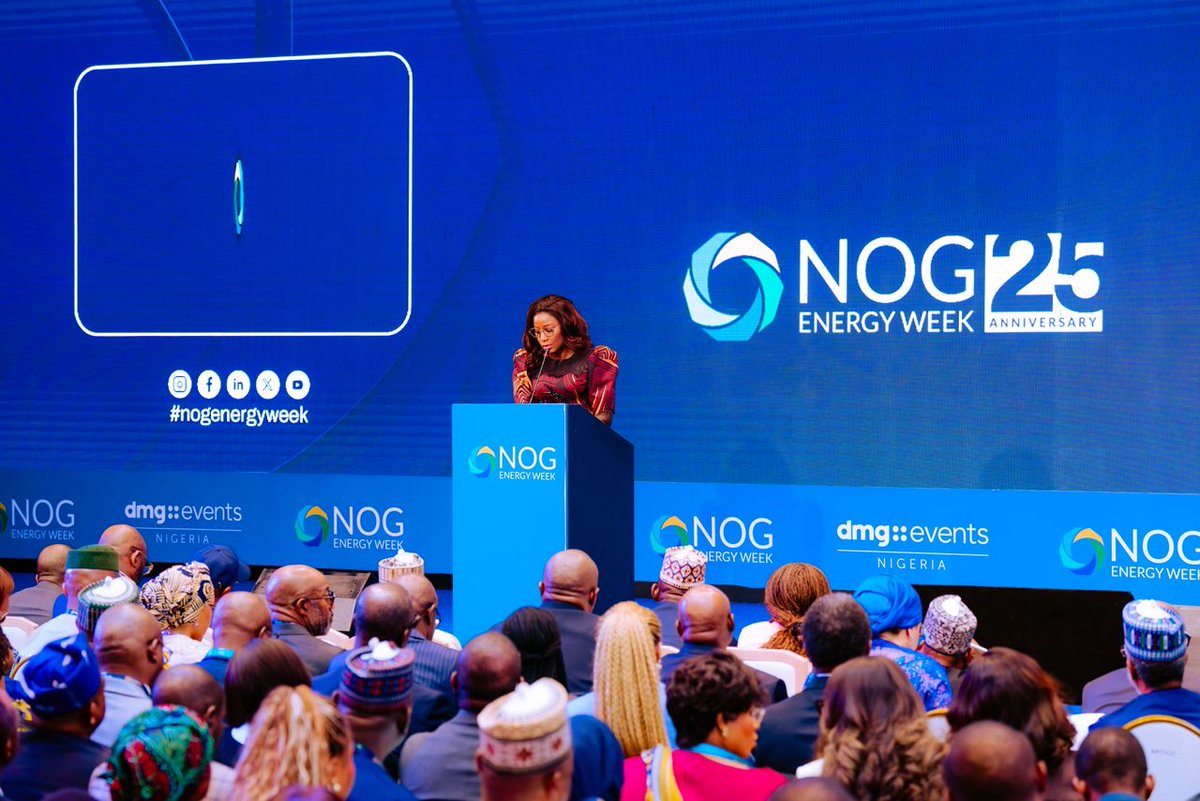
Ms Verheijen disclosed this while speaking at the opening ceremony of the 2026 NOG Energy Week in Abuja on Tuesday.
She said the administration of President Bola Tinubu has chosen to turn Nigeria from “a warehouse of raw potential” into “an engine of African industrialisation” by converting oil and gas resources into megawatts, fertiliser, petrochemicals, jobs and exports.
“That is the real energy transition for Africa. Not transition as surrender. Transition as transformation. Under the leadership of President Bola Ahmed Tinubu, this administration has done what many said was too difficult, too risky, too controversial, or too politically expensive.
“We began to remove the distortions that punished production and rewarded leakage. We took on reforms that had been discussed for years and delayed for decades. We recalibrated fiscal terms, clarified regulations, and streamlined oversight.
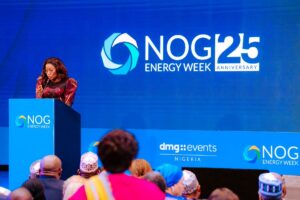
“We introduced targeted incentives and cut contracting timelines by more than half. And we made a clear statement to the world: Nigeria is no longer asking to be trusted; Nigeria is working to be bankable.
“The results are not abstract. We are targeting three million barrels per day and ten billion standard cubic feet of gas per day by the end of the decade. We now have more than $50 billion of upstream projects in the visible pipeline,” she said.
In the last three years, Ms Verheijen said more than $10 billion of long-awaited final investment decisions have come through.
She said crude oil and condensate production have risen by about 400,000 barrels per day since 2023, adding that onshore production is at its strongest level in twenty years.
“Nigeria’s share of Africa’s upstream FIDs has risen dramatically, from the margins to leadership. External reserves have crossed $50 billion. These are not talking points. They are signals. When the rules improve, capital moves. And we are not only fixing oil and gas. We are resetting power,” she said.
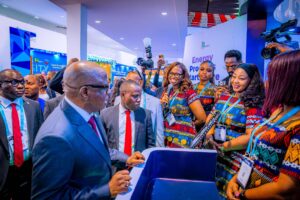
For too long, she said, the electricity market carried the weight of unpaid obligations, broken incentives and weak confidence.
“That is why the Presidential Power Sector Financial Reforms Programme is not merely a bond issue; it is a N4 trillion credibility programme. It is a negotiated reset of legacy obligations, payment discipline and market confidence across the generation, gas and financing chain.
ALSO READ: NNPC, partners sign gas agreements to drive industrialisation, boost energy security
“Since January 2024, our office has supported Import Duty Exemption Certificates for Liquefied Petroleum Gas (LPG) infrastructure worth about $92.6 million, including about $30.4 million this year alone,” she stated.
She said these incentives are not isolated measures, but align with the Decade of Gas, Nigerian National Petroleum Company Limited gas strategy and the Presidential Compressed Natural Gas (CNG) Initiative.
“The age of Nigerian hesitation is ending. The age of Nigerian ambition has begun. Our task now is to turn reform into relief, capital into projects, projects into jobs, and energy into national greatness.
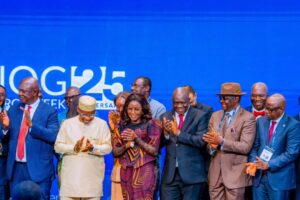
“History will not ask whether we inherited oil, gas, sun, rivers and talent. History will ask whether we converted them into prosperity. Whether we left behind pipelines instead of promises,” she said.
Speaking further, she said global capital is now driven by credibility, not sentiment.
“The global energy map has changed. Capital is no longer sentimental. It is not moved by speeches, slogans or sympathy. Capital has no passport. It is rational. It prices risk. It follows credibility,” she added.