


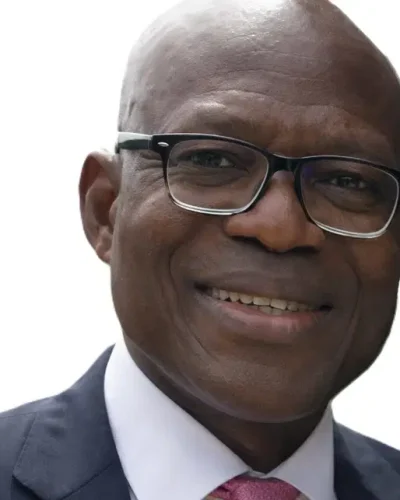







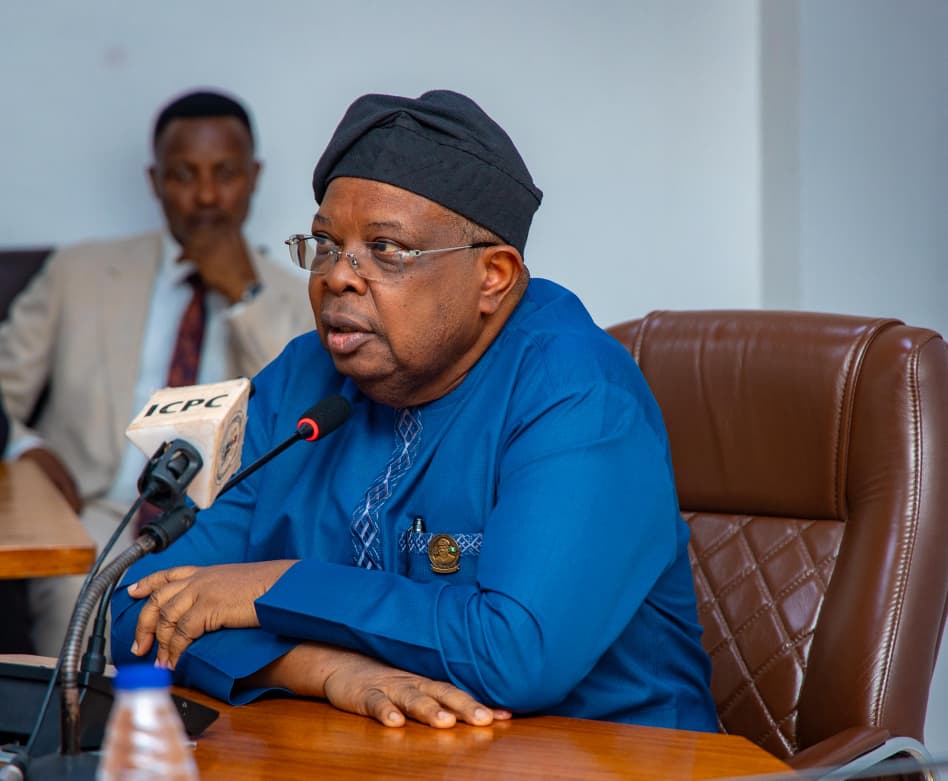
The Minister of Power, Joseph Tegbe, has called on participants in the Nigerian Electricity Supply Industry (NESI) to avoid actions that could affect the decentralised electricity market.
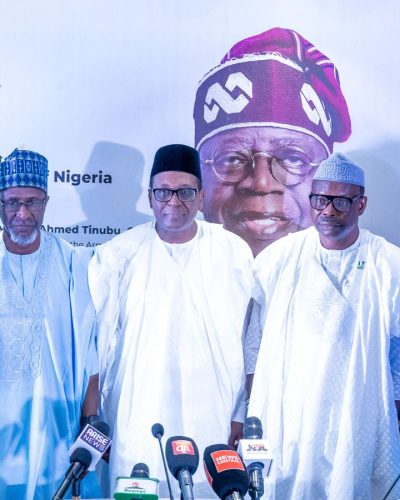
Mr Tegbe made the call at the workshop on Legal, Policy and Regulatory Harmonisation between Federal and State Institutions on the Decentralisation of the Nigerian Electricity Supply Industry (NESI), held in Abuja on Tuesday.
The workshop was organised by the ministry in collaboration with the Nigerian Electricity Regulatory Commission (NERC).
Mr Tegbe said the federal government retains an important leadership role; state governments now have expanded responsibilities; NERC continues to regulate areas within its jurisdiction; and state regulators are emerging to supervise their respective markets.
He further stated that transmission remains a national asset; distribution companies continue to serve millions of customers; generation companies continue to supply energy into the grid.
He added that the private investors provide capital, development partners provide technical support, while consumers remain at the heart of every decision.
“None of these institutions exists in isolation. Our success is interconnected. This is why collaboration must become the defining principle of our decentralised electricity market.
“We must ensure collaboration rather than competition between institutions. We must build alignment instead of regulatory conflict. We must practice mutual respect instead of jurisdictional rivalry,” Mr Tegbe said.
He said the Electricity Act did not establish parallel electricity industries.
“It established complementary electricity markets operating within one national framework. Our objective must therefore be regulatory coherence. Investors should not encounter conflicting rules. Developers should not navigate contradictory approval processes. Consumers should not become casualties of institutional uncertainty. Market participants should enjoy clarity, predictability and confidence wherever they choose to invest,” he added.
Electricity market decentralisation is shifting power generation, regulation, and distribution from centralised national grids to smaller, state, or localised frameworks.
In June 2023, President Bola Tinubu signed the electricity bill, which authorises states, companies and individuals to generate, transmit and distribute electricity.
ThePreview Media reports that 16 states have officially taken control of their interstate electricity market under the Electricity Act 2023.