



The Nigerian National Petroleum Company Limited (NNPC Ltd) has called for stronger collaboration across Nigeria’s energy industry to unlock Africa’s vast energy potential.
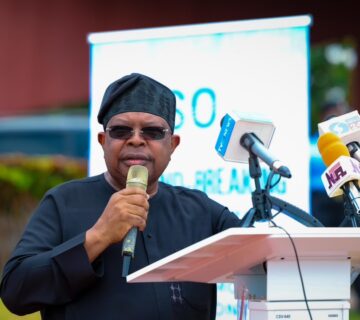
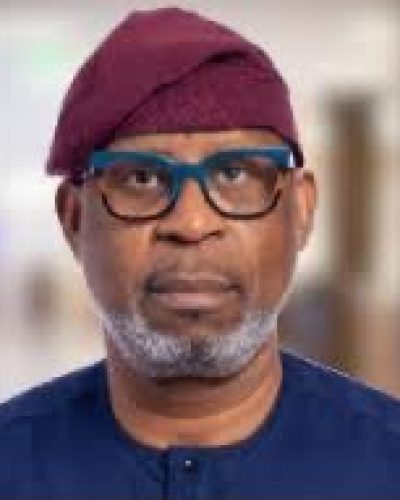
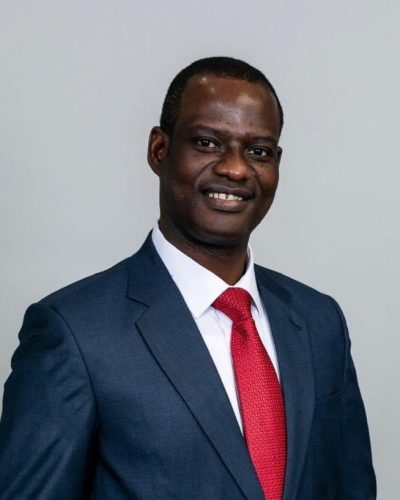
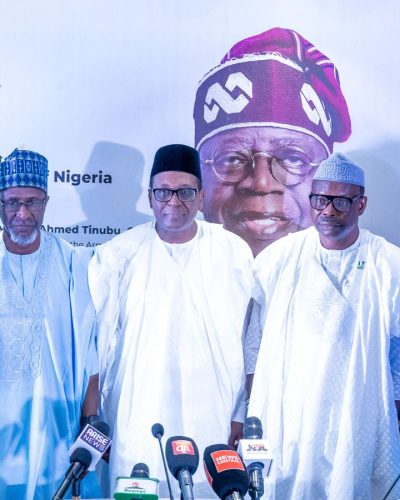
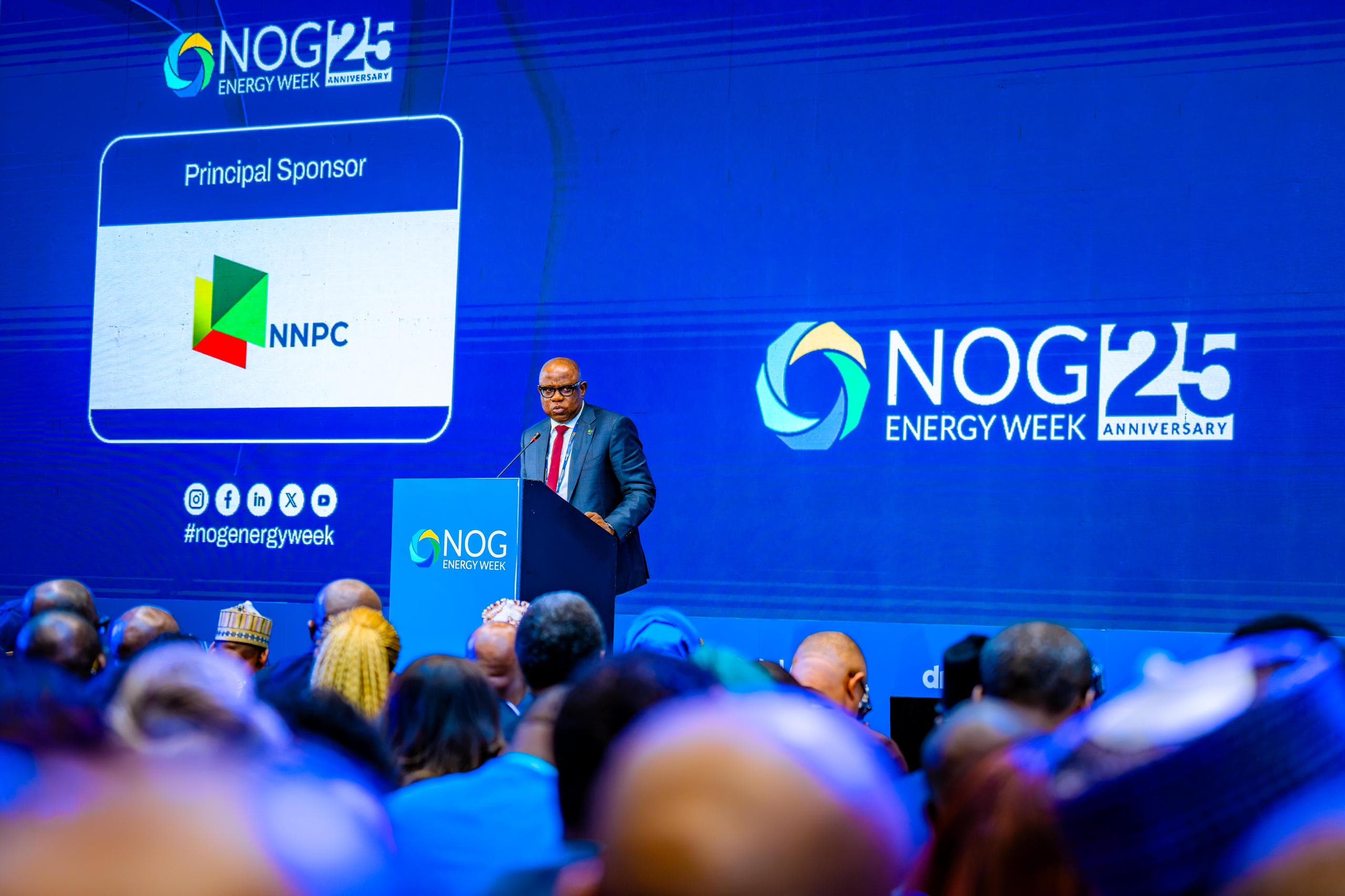
The Group Chief Executive Officer of NNPC Ltd, Bashir Ojulari, made the call while speaking at the opening ceremony of the 2026 NOG Energy Week in Abuja on Tuesday.
“No nation, no company, and no institution can unlock the full value of its energy resources in isolation. The defining challenge facing Africa today is not a shortage of hydrocarbons. It is not a shortage of talent. It is not a shortage of opportunity. It is the persistent fragmentation of the ecosystem required to convert resources into prosperity.
“Across the continent, we still witness insufficient alignment between resource owners and operators; between investors and projects; between innovation and execution; between policy and capital; between research and commercialisation,” Mr Ojulari said.
He said the energy industry is one of the most interconnected industries in the world, noting that its success depends not on the strength of a single organisation, but on the collective effectiveness of an entire ecosystem.
He explained that a producing field requires world-class technical and operating partners capable of deploying technology, expertise and operational discipline.
According to him, projects require strong financial institutions willing to provide patient and competitive capital across volatile commodity cycles.
He noted that the industry depends on capable service providers, both in the subsurface and surface domains, who convert geological potential into reliable production and transform infrastructure into commercial value.
“It requires regulators who provide clarity, consistency and predictability. It requires universities, research institutions and innovation centres that continuously develop the talent, technologies and solutions that will power future growth.
“And perhaps most importantly, it requires governments, communities and industry leaders who recognise that long-term collaboration creates more value than short-term competition. When any one of these links is weak, investment slows. When several are weak, projects stall. When all are disconnected, nations remain resource-rich but prosperity-poor.
“We must deepen collaboration between the NNPC Limited, international operators, the indigenous companies, financial institutions, regulators, technology providers, academic institutions and local service companies. We must create environments where capital feels welcome, technology feels useful, talent feels valued, and innovation feels rewarded.
“We must strengthen the link between research and industry so that our universities become sources of solutions rather than merely centres of learning. We must ensure that our regulatory frameworks remain stable, transparent and investment-friendly. And we must accelerate the development of indigenous technical capacity capable of competing anywhere in the world,” he stated.
Speaking further, Mr Ojulari said Nigeria’s crude oil production has risen to 1.71 million barrels per day, the highest level in five years, while NNPC Exploration and Production Limited (NEPL) achieved a record production of 365,000 barrels per day.
ALSO READ: NNPC profit drops to N462 billion in May
He added that gas production reached 7.5 billion standard cubic feet per day, driven by the successful completion of the River Niger crossing on the Ajaokuta-Kaduna-Kano (AKK) Gas Pipeline and the commissioning of the ANOH Gas Processing Plant.
According to him, NNPC Ltd maintained 100 per cent compliance with all joint venture cash call obligations throughout 2025 and up to June 2026, while sustaining its drive toward achieving crude oil production of two million barrels per day.
He stated that the future of African energy will not be determined solely by the resources beneath our soil.
“It will be determined by the quality of the partnerships we forge above it. The next chapter of Africa’s energy story must be written not by individual institutions working independently, but by governments, national oil companies, international investors, academia, regulators, financiers and service providers working together towards a shared vision,” he said.