






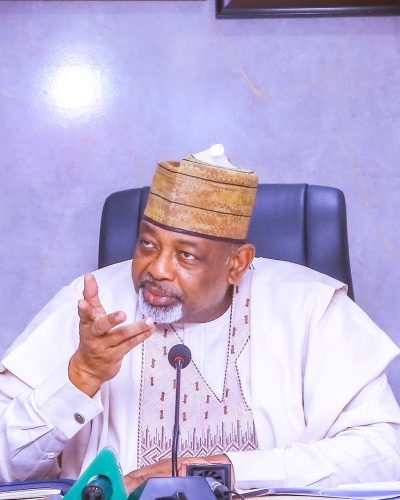

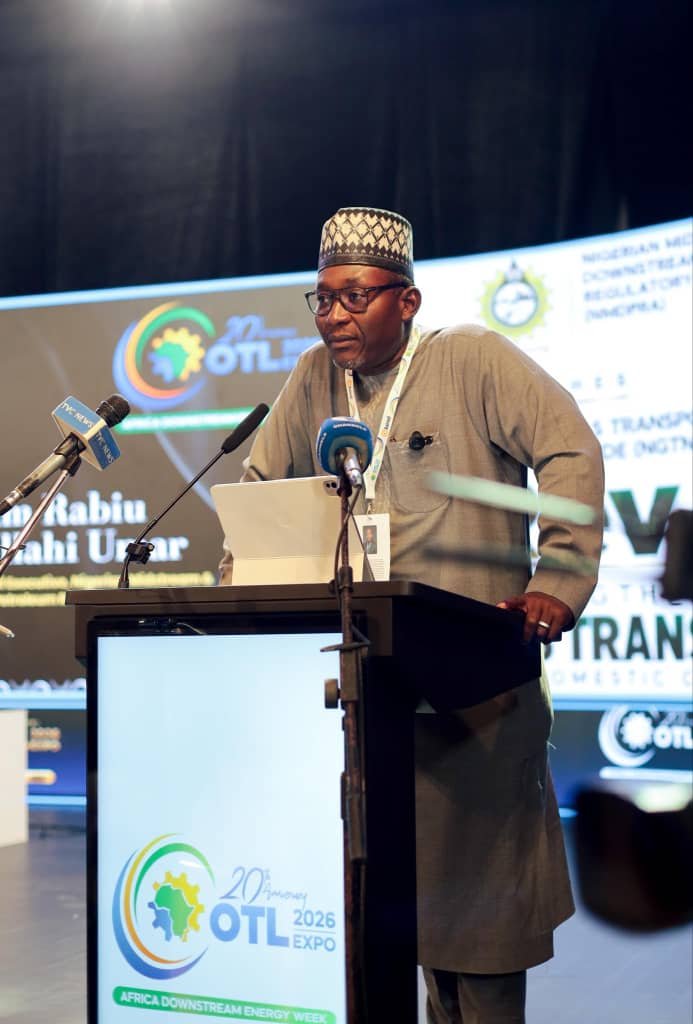
The Nigerian Midstream and Downstream Petroleum Regulatory Authority (NMDPRA) has launched Revision 2 of the Nigerian Gas Transportation Network Code (NGTNC), a framework designed to ensure transparent and non-discriminatory access to Nigeria’s gas transportation infrastructure.
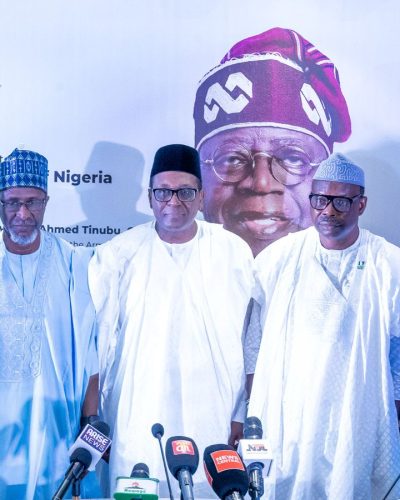
The Authority Chief Executive, Rabiu Umar, performed the launch on Monday at the opening of the OTL Africa Downstream Energy Week 2026 in Lagos, NMDPRA disclosed in a statement posted on its X handle.
In his address, Mr Umar described the Network Code as a critical framework for governing how shippers, investors and other industry participants use the country’s gas transportation system.
He said the Code establishes clear rules for capacity booking, gas nominations, balancing, measurement and quality, providing greater predictability for operators in the market.
What Revision 2 changes
Mr Umar explained that Revision 2 builds on the initial framework introduced in 2020 and the first revision in 2024.
He said the new revision strengthens the rules governing gas transportation while supporting the development of a more integrated and efficient gas market.
According to him, an efficient gas transportation framework is central to energy security, investment and economic prosperity, not only for Nigeria but for Africa.
He noted that Nigeria’s substantial gas resources present significant opportunities for industrial growth, power generation, job creation and regional trade.

However, he stressed that unlocking those opportunities requires investment in transportation infrastructure, processing facilities, storage and product logistics, alongside effective regulation.
Call for African regulatory convergence
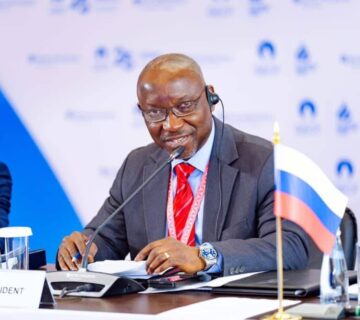
Mr Umar, according to the statement, also participated in a panel discussion themed “Regulatory Convergence in African Oil and Gas Markets.”
He spoke alongside Godwin Kudzo Tameklo, Chief Executive Officer of Ghana’s National Petroleum Authority, and Musa Njie, Director of Water, Petroleum and Electricity at The Gambia’s Public Utilities Regulatory Authority.
The discussion examined the role of regulatory cooperation in improving market efficiency, attracting investment and developing integrated energy markets across the continent.
ALSO READ: Domestic refineries got over 127 million barrels of Nigerian crude in nine months — NUPRC
Addressing the broader African energy landscape, Mr Umar called for greater regulatory convergence among African countries to facilitate cross-border energy trade, harmonise standards and strengthen regional energy security.
He stressed that such convergence should promote cooperation without undermining individual countries’ responsibility to secure energy supplies for their citizens.
Commitment to PIA implementation
Mr Umar reaffirmed the Authority’s commitment to transparent regulation, efficient implementation of the Petroleum Industry Act 2021 and sustained engagement with industry stakeholders to strengthen Nigeria’s midstream and downstream petroleum sectors.
He called on refiners, marketers, logistics operators, financiers and other industry stakeholders to partner with the Authority in building a resilient energy sector that supports domestic supply, encourages investment and contributes to Africa’s long-term prosperity.