


![Nigerian food market. [Photo credit: The Guardian NG]](https://thepreviewmedia.com/wp-content/uploads/elementor/thumbs/Nigeria-Food-market0-rnhwouhomgb6qrfulkpmvgq8nzn41y6tcgi4mirafc.jpg "Nigerian food market. [Photo credit: The Guardian NG]")

Nigeria’s tax reforms will continue to evolve through a newly inaugurated Technical Subcommittee on Fiscal Policy and Tax Reforms, which will review how the Nigeria Tax Act 2025 and other related laws are working in practice ahead of a proposed Finance Bill in 2027.
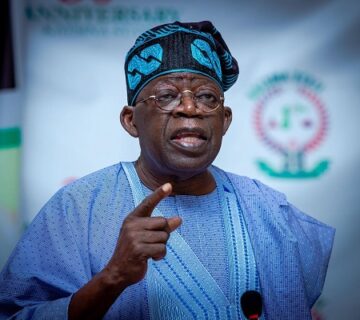
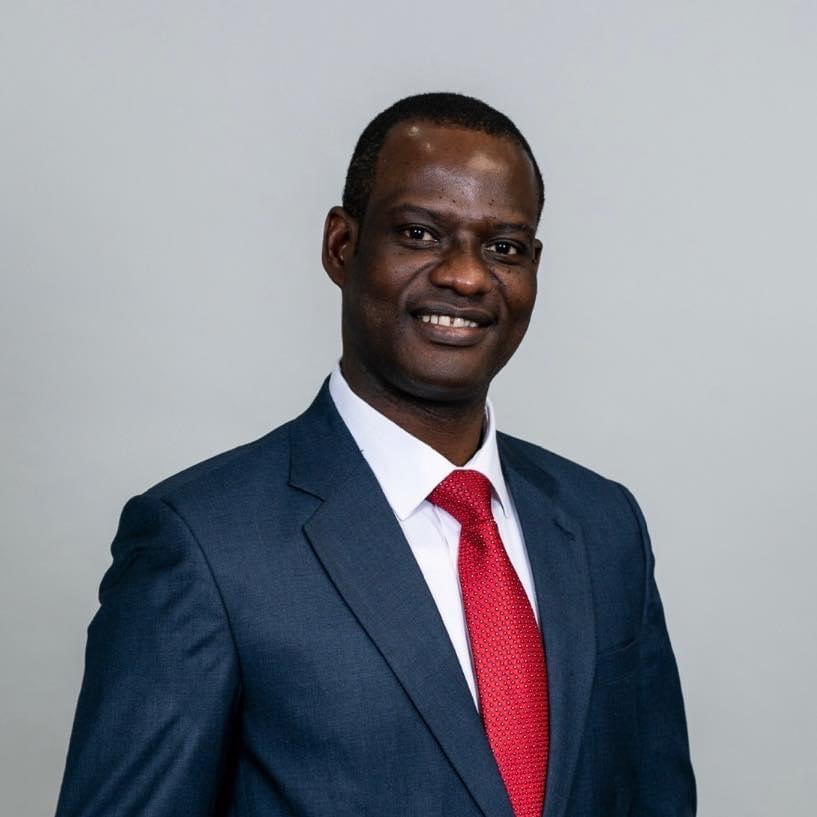
The Minister of Finance and Coordinating Minister of the Economy, who is also Chairman of the Presidential Fiscal Policy and Tax Reforms Committee, Taiwo Oyedele, inaugurated the subcommittee on Thursday in Abuja.
Mr Oyedele described the inauguration as the next phase of a reform process that began when President Bola Tinubu set up the main committee in July 2023.
He said the earlier work of the committee produced four laws that came into force in January this year — the Nigeria Tax Act, the Nigeria Tax Administration Act, the Nigeria Revenue Service (Establishment) Act, and the Joint Revenue Board (Establishment) Act.
He described the laws as the most far-reaching overhaul of the country’s tax system in decades, but noted that legislation alone does not conclude a reform.
“Good reform is a process, not an event,” Mr Oyedele said, adding that implementation would inevitably reveal gaps requiring clarification.
According to him, the Finance Bill 2027 will not be a rewrite of the 2025 laws but an opportunity to preserve their core principles while addressing ambiguities, easing compliance and responding to emerging economic realities.
He said the mandate of the subcommittee extends beyond taxation to cover fiscal policy, public financial management, debt management, transparency, capital markets and cross-border capital flows.
Mr Oyedele disclosed that a public call for input into the review had drawn submissions from businesses, investors, professional bodies, civil society groups, academics and private citizens.
He urged members of the subcommittee to assess every proposal on evidence rather than on who submitted it, and to consider the costs, beneficiaries and unintended consequences of any proposed change.
ALSO READ: FG issues transition guidelines for Tax Acts 2025
He said the review should prioritise fairness, efficiency and competitiveness over popularity.
The subcommittee draws membership from across government and the private sector, including the Federal Ministry of Finance, the Nigeria Revenue Service, the Nigeria Customs Service, the Central Bank of Nigeria (CBN), the Debt Management Office (DMO) and the Nigerian Bar Association (NBA).
Other members include professional bodies such as the Institute of Chartered Accountants of Nigeria (ICAN), the Chartered Institute of Taxation of Nigeria (CITN), and the Association of National Accountants of Nigeria (ANAN).
Also represented are the Manufacturers Association of Nigeria (MAN), the Small and Medium Enterprises Development Agency of Nigeria (SMEDAN), the Nigerian Economic Summit Group (NESG), and representatives of the Big Four accounting firms (Deloitte, EY, KPMG and PricewaterhouseCoopers (PwC) with additional specialists to be co-opted as needed.