



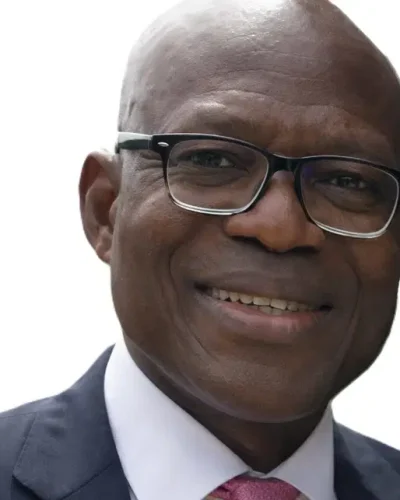





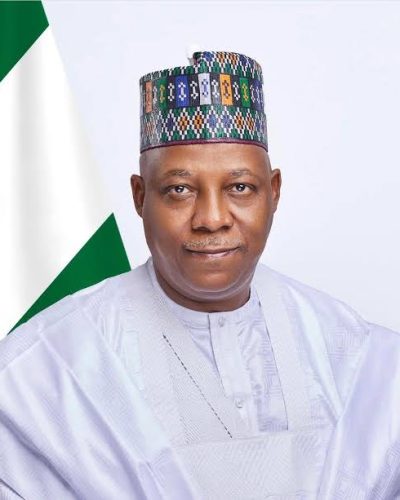



Minister of Power, Joseph Tegbe, has called on local and international investors to embrace sustainable financing models for the electrification of Nigeria’s healthcare facilities.
Clement Ezeorah, deputy director, press and public relations at the Federal Ministry of Power, disclosed this in a statement on Monday.
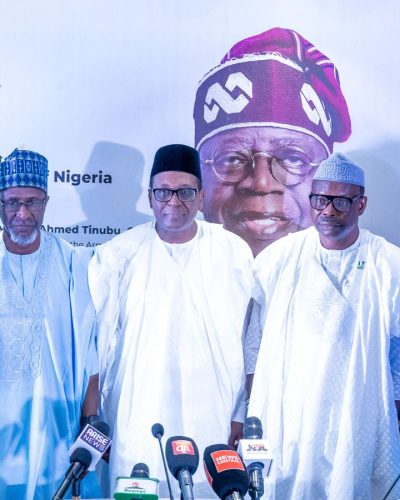
Mr Ezeorah said the minister made the call while speaking at the National Healthcare Electrification Investor Matchmaking Forum, held under the Nigeria Power for Health Initiative (NPHI) in Lagos on Monday.
Mr Tegbe commended the Federal Ministry of Health and Social Welfare for convening the engagement, noting that reliable electricity is not merely an infrastructure requirement but a fundamental pillar of healthcare delivery.
He said he has been a key stakeholder in the NPHI since its inception, even before his appointment as Minister of Power, describing the initiative as a personal commitment and reaffirmed his support for the Minister of State (Health).
He stated further that the objectives of the NPHI align with the ongoing power sector reforms and President Bola Tinubu’s Renewed Hope Agenda.
He added that the initiative offers an opportunity to integrate energy planning into health infrastructure development and deploy grid enhancement and renewable hybrid systems tailored to health facilities.
“Strengthen coordination between power sector institutions, health authorities, regulators, and private sector partners.”
Highlighting the scale of the opportunity, the minister said over 35,000 registered health facilities across primary, secondary, and tertiary levels nationwide.
He described this as a substantial pipeline of bankable projects capable of attracting local and international capital into solar mini-grids, hybrid energy systems, battery storage, energy efficiency technologies, smart metering, facility energy management platforms, operations and maintenance services, and climate-resilient infrastructure.
ALSO READ: FG launches healthcare electrification market place
Drawing on over three decades of experience advising governments on the structuring of complex reforms, the minister told investors that the strength of the framework lay not in the ambition of its vision but in the quality of its structure.
He assured them that the federal government would provide commitment and inter-ministerial coordination, noting that the Federal Ministry of Power is a co-driver of the initiative and is already active in the field.
“Having deployed solar mini-grids and hybrid systems to health facilities under the World Bank-funded Nigeria Electrification Project,” he said.
He noted that the Electricity Act provides the regulatory foundation for structuring Power Purchase Agreements, licensing mini-grid operators, and enabling state-level participation.
According to him, the initiative aligns with President Bola Tinubu’s Renewed Hope Agenda with a vision to position Nigeria as Africa’s destination of choice for quality healthcare.
He reaffirmed the federal government’s commitment to delivering visible, measurable improvements in the power sector, with health facilities as a priority, and expressed appreciation to investors and development partners for their continued belief in Nigeria’s future.