




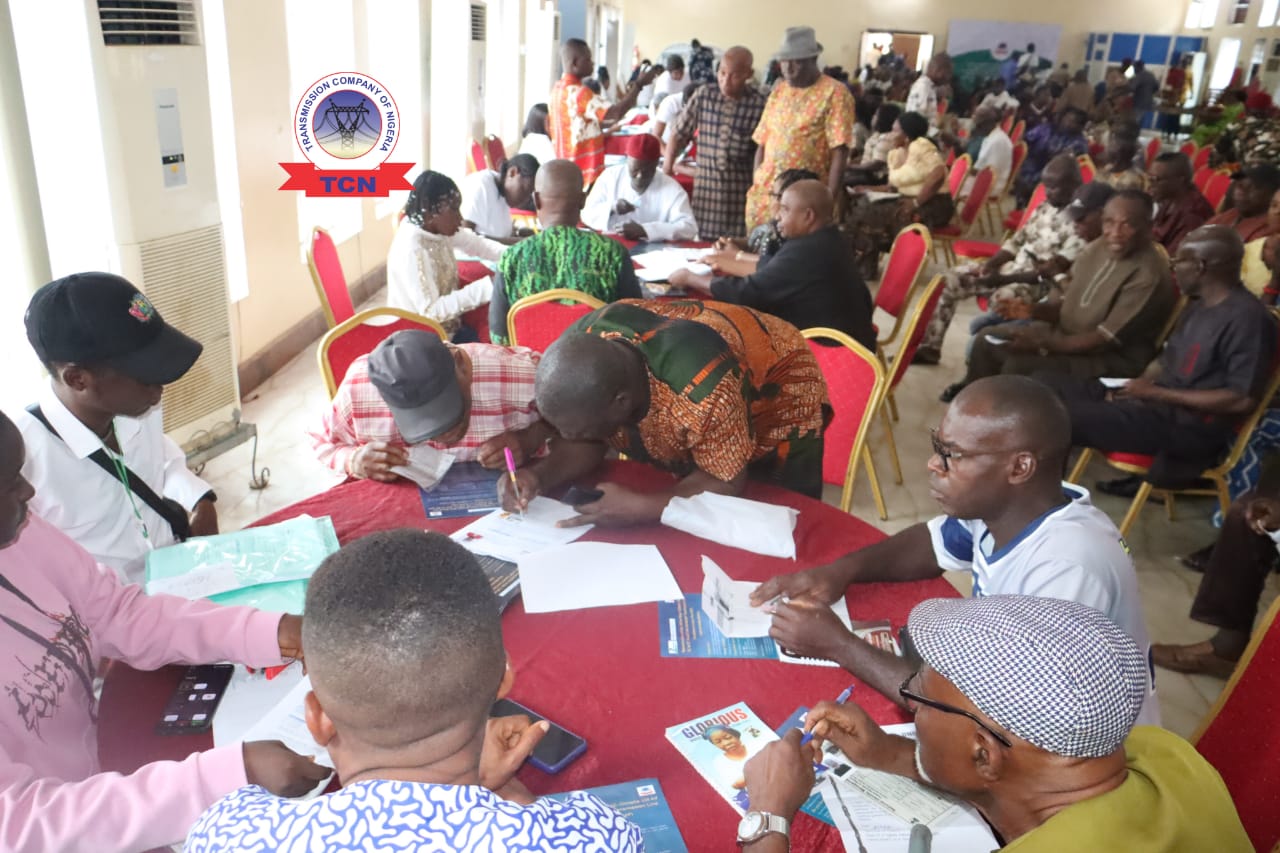
The Transmission Company of Nigeria (TCN), in collaboration with the African Development Bank (AfDB), has flagged off the second phase of the Resettlement Action Plan (RAP) and Livelihood Restoration Programme for the Alaoji–Onitsha Transmission Line Project.
The TCN General Manager, Public Affairs, Ndidi Mbah, in a statement on Saturday, said the compensation exercise, conducted from 12 to 13 May 2026, covered Project Affected Persons (PAPs) in Abia and Imo States, with the official flag-off ceremony held in Imo State.
What the project entails
Ms Mbah said the project entails upgrading the existing 138-kilometre, 330kV Single Circuit transmission line to a 330kV Double Circuit Quad Conductor configuration spanning Alaoji to Onitsha.
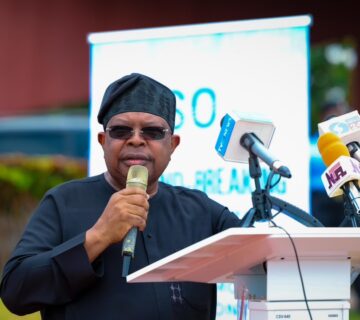
Speaking, Managing Director/Chief Executive Officer of TCN, Sule Abdulaziz, commended President Bola Tinubu for his administration’s commitment to implementing the project and to the timely compensation of affected persons.
Mr Abdulaziz, represented by Assistant General Manager and Project Manager AfDB, and Nigeria Transmission Expansion Project Phase One (NTEP-1), Omobola Odusoga-Bola, explained that the current phase centres on compensating persons whose crops fall within the transmission line corridor.
READ ALSO: TCN compensates over 2,000 persons affected by transmission line project
He said following an earlier phase in which individuals whose structures were impacted received compensation, noting that the TCN is implementing a Livelihood Restoration Programme targeting petty traders operating along the existing right-of-way.
According to him, 210 small business owners had been identified within the TCN corridor, while 64 beneficiaries drawn from 32 communities would receive practical vocational training and start-up support across a range of trades.
These, he said, include fashion and tailoring, cobbling and shoemaking, catering and food processing, ICT and digital skills, auto mechanics, electrical installations, and other artisanal disciplines relevant to local economic development.
In his remarks, the Project Consultant and Managing Director of PGM Nigeria Limited, Bassey Uzodimma, described TCN’s approach as evidence of its commitment to responsible project implementation and meaningful community engagement.
He urged community leaders to safeguard the interests of beneficiaries, ensure close oversight of the programme, and work to maximise its long-term impact on the affected communities.