




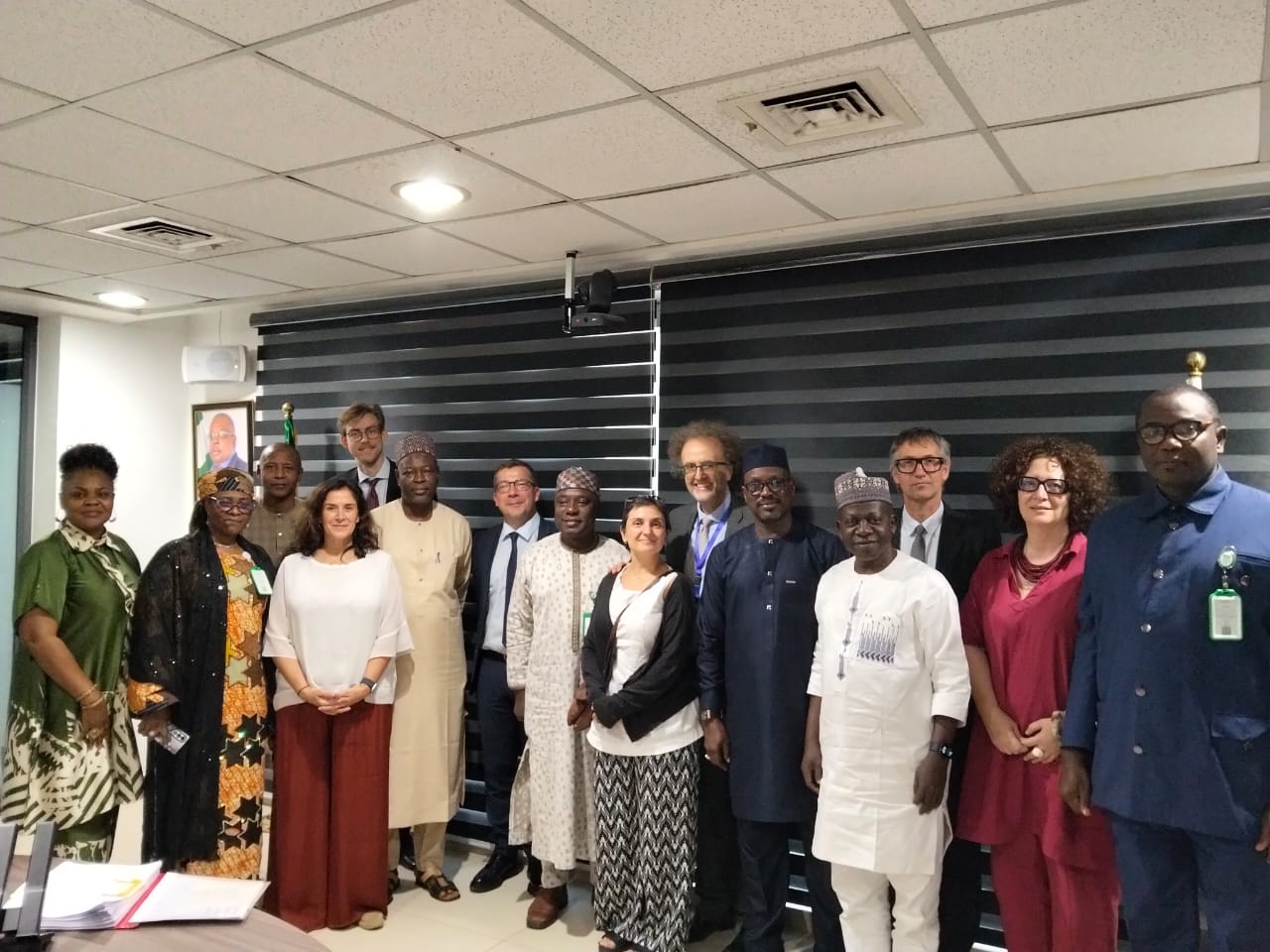
The Nigerian Independent System Operator (NISO) has called for stronger collaboration between NISO and the European Union (EU) to attract investments into Nigeria’s electricity sector.
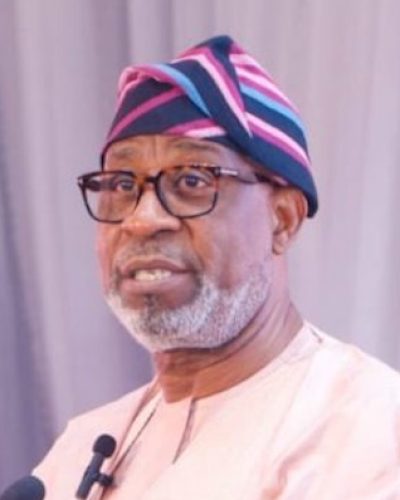
The Managing Director and Chief Executive Officer of NISO, Abdu Bello, made the call during a courtesy visit by an EU delegation to the agency.
Mr Bello, who joined the meeting virtually, said there were significant opportunities for European countries and investors to participate in Nigeria’s evolving electricity market, particularly in renewable energy, transmission infrastructure and regional electricity market development.
In a statement on Tuesday, NISO said Mr Bello was physically represented at the meeting by the Executive Director, System Planning, Shehu Abba-Aliyu, who received the delegation on behalf of the management.
Call for private capital
He identified investment opportunities across the entire electricity value chain, including generation, transmission and distribution, as well as technical training and capacity development.
He particularly highlighted prospects for renewable energy integration, noting Nigeria’s considerable solar and wind energy potential, especially in coastal areas and parts of northern Nigeria.
He emphasised the need to move away from traditional dependence on government funding for transmission infrastructure, advocating greater participation by third-party investors and the private sector.
He disclosed that NISO had developed a draft framework to facilitate such investments and expressed hope that the EU would support efforts to develop a bankable framework capable of attracting sustainable private sector participation.
The NISO chief also drew attention to emerging investment opportunities arising from electricity market reforms at the subnational level, particularly in embedded generation, distribution franchising, metering and revenue protection schemes.
Regional electricity trade
On regional integration, Mr Bello highlighted Nigeria’s successful synchronisation test with the West African Power Pool (WAPP) on November 4, 2025, which lasted over four hours.
He said the achievement presented significant opportunities for cross-border electricity trade, additional transmission infrastructure and increased generation capacity to support electricity exports within the West African region.
Earlier, Mr Abba-Aliyu expressed appreciation to the EU for its support towards strengthening NISO’s technical capacity, particularly its sponsorship of three NISO engineers for a five-day technical exposure visit to Ghana to study renewable energy installations and battery energy storage systems.
He said the exposure would enhance the engineers’ understanding of renewable energy integration and battery storage technologies, which are increasingly important to the effective planning and operation of modern electricity systems.
He noted that NISO, as a young institution established pursuant to the Electricity Act 2023, was committed to building the technical expertise required to support Nigeria’s transition towards a diversified and decarbonised energy system.
He observed that recent gas supply constraints affecting power generation had further reinforced the need to explore alternative energy sources and strengthen the resilience of the national grid.
He further explained that NISO’s central role in system operations and system planning places the organisation in a strategic position to identify critical infrastructure requirements and investment opportunities across the electricity value chain, even though it does not directly undertake infrastructure investments.
He therefore encouraged the EU to explore collaboration with NISO, the Nigerian Electricity Regulatory Commission (NERC) and other relevant stakeholders towards developing bankable frameworks for third-party investments, particularly in transmission and distribution infrastructure.
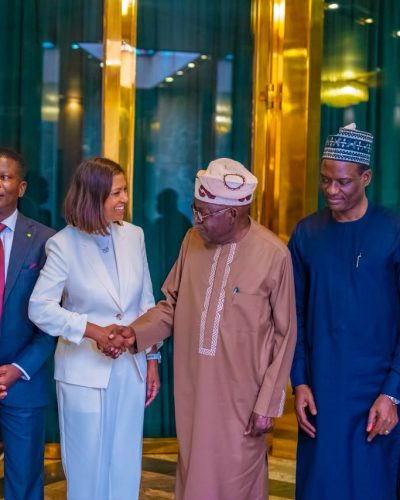
Leading the EU delegation, Massimo De Luca, Head of Partnership for the European Union, said the visit was aimed at expanding EU-Nigeria cooperation in the energy sector, with particular interest in decarbonisation, transmission infrastructure and regional electricity connectivity.
He explained that the EU was increasingly shifting its approach from predominantly providing technical assistance towards facilitating concrete investments under its Global Gateway Strategy.
ALSO READ: Why electricity supply dropped in Nigeria – NISO
According to him, the strategy seeks to bring together EU member states, European financial institutions and private sector operators to develop investment partnerships capable of delivering tangible infrastructure outcomes.
He noted that the delegation was particularly interested in understanding NISO’s operational responsibilities, its system planning outlook and the critical investments required to strengthen Nigeria’s electricity infrastructure.
Other members of the delegation, according to the statement, included Lania Cardanta, Team Leader for Green Transition at the Brussels Mission; Nicolas Hitzenthaler, Head of Sector for Sustainable Energy and Climate Change at the European Commission; and Dominique de Konink, who works with a technical assistance facility supporting EU institutions on sustainable energy matters.