





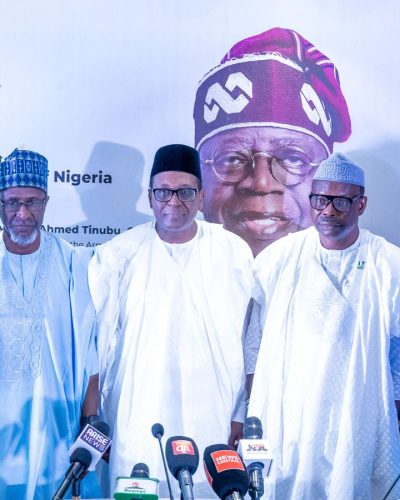


The federal government of Nigeria and the National Assembly have reiterated their commitments to supporting the complementary roles of electricity regulators towards an effective transition to a multi-tier Nigerian electricity market.
They stated this at a workshop in Abuja on ‘Legal, Policy and Regulatory Harmonisation between Federal and State Institutions on the Decentralisation of the Nigerian Electricity Supply Industry (NESI)’.
Last Tuesday, Minister of Power, Joseph Tegbe, called for stronger collaboration among stakeholders to ensure the success of the country’s ongoing electricity sector reforms.
The minister said harmonisation would ensure that power sector players work towards the onerous goal of increasing access to electricity for Nigerians, as electricity remains the bedrock of any nation’s development.
Mr Tegbe also inaugurated a 9-member inter-agency committee at the workshop to address issues around decentralisation of the electricity market.
The committee was given four weeks to review issues raised, work with other stakeholders and submit resolutions within the timeframe.
Consumer groups fault exclusion from committee
However, on Saturday, two consumer advocacy groups accused Mr Tegbe of violating the Electricity Act 2023 and breaching constitutional provisions with the exclusion of consumer representatives from the newly inaugurated committee to harmonise the decentralisation of Nigeria’s electricity sector.
The Association for Public Policy Analysis (APPA) and Electricity Consumers Protection Advocacy Centre (ECPAC) said the composition of the committee was designed to “perpetuate continuous distribution companies (DisCos) electricity crimes and foist anti-consumer electricity policies” on state-based electricity consumers.
On Sunday, the Nigerian Electricity Regulatory Commission (NERC) backed the minister’s call for harmony in the multi-tier electricity market.
NERC Chairman, Musiliu Oseni, in a statement by the commission, said Nigerians are less concerned about which institution regulates the sector or formulates policy and are more interested in having a reliable and uninterrupted electricity supply.
He urged all actors within the emerging multi-tier electricity market to sustain dialogue, strengthen cooperation and remain focused on delivering improved outcomes for electricity consumers.
Harmonisation not optional
Speaking at the event, according to a statement by NERC on Monday, the Special Adviser to the President on Power and Chairman of the Presidential Task Force on Power Sector Reset and Restoration, Rilwan Babalola, described electricity as the foundation for industrialisation, economic competitiveness, job creation and national prosperity.
He tasked participants to embrace the transition as partners working towards one Nigerian electricity market, rather than institutions protecting separate jurisdictions.
“Every major reform creates new opportunities. It also creates new interfaces. As federal and state institutions assume their respective responsibilities, questions will naturally arise regarding regulatory boundaries, market oversight, technical standards and commercial arrangements.
ALSO READ: NERC issues new guidelines for technical audit of Nigeria’s transmission network
“That is not a weakness of the reform. It is the natural consequence of institutional evolution. Our responsibility is to ensure that these questions are resolved through dialogue, cooperation and mutual respect. The Electricity Act decentralises aspects of governance.
“It does not decentralise the physics of electricity. Our networks remain interconnected. Our markets remain interdependent. Our prosperity remains shared. That is why harmonisation is not optional. It is fundamental to preserving one efficient Nigerian electricity market,” Mr Babalola said.
Senate pledges enabling law
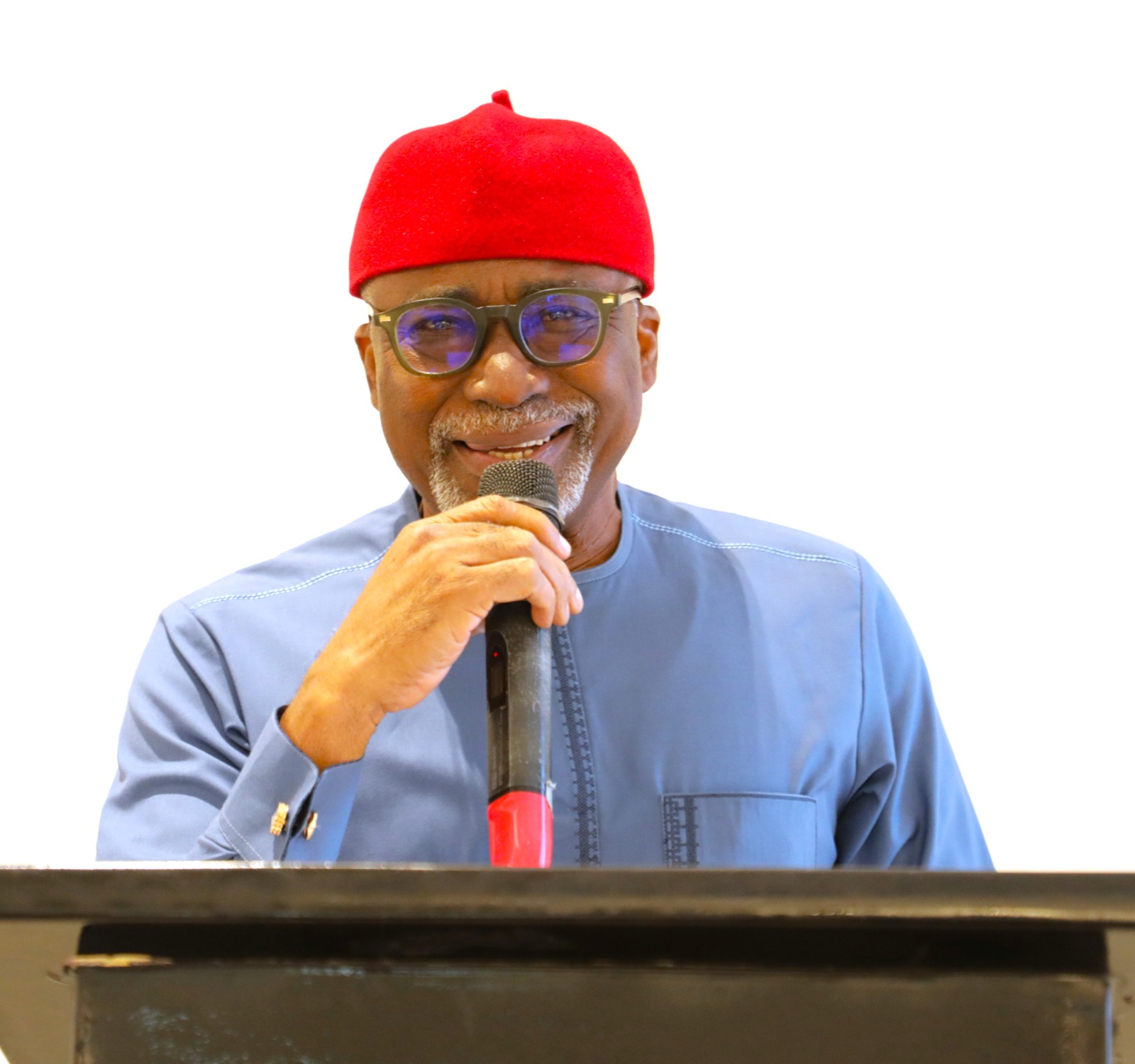
In his remarks, Chairman of the Senate Committee on Power, Enyinnaya Abaribe, reaffirmed the committee’s commitment to an enabling law that permits federal and state electricity regulators to perform complementary roles.
“Ultimately, the success of decentralisation should not be measured merely by the number of States that established electricity markets or obtained transfer orders.
“Rather, success should be measured by whether Nigeria achieves a coherent, efficient, bankable and integrated electricity market where federal and state institutions perform complementary rather than competing roles. We therefore require harmonised rules governing the relationship between NERC and State Electricity Regulatory Commissions.”